
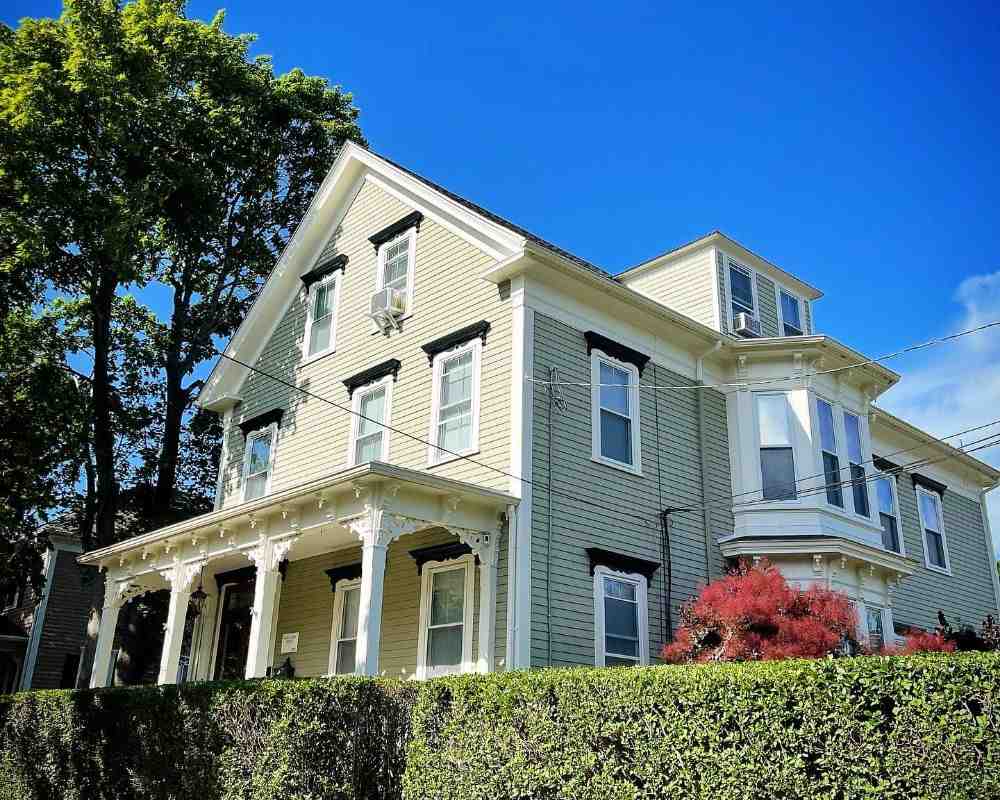
Why Restoring Old Houses Matters More Than Ever
Restoring old houses is the process of bringing historic properties back to life while preserving their original character and architectural integrity. Here’s what you need to know:
Key Steps in Old House Restoration:
- Assess the property – Hire a niche inspector experienced with historic homes to identify structural issues, safety hazards, and preservation needs
- Understand regulations – Check for Historic Preservation (HP) zoning and local historic district rules before making exterior changes
- Prioritize repairs – Address safety issues first (roof leaks, electrical, structural problems), then move to character-defining features
- Budget wisely – Plan for 150% of initial estimates and maintain a 3-6 month emergency fund for surprises
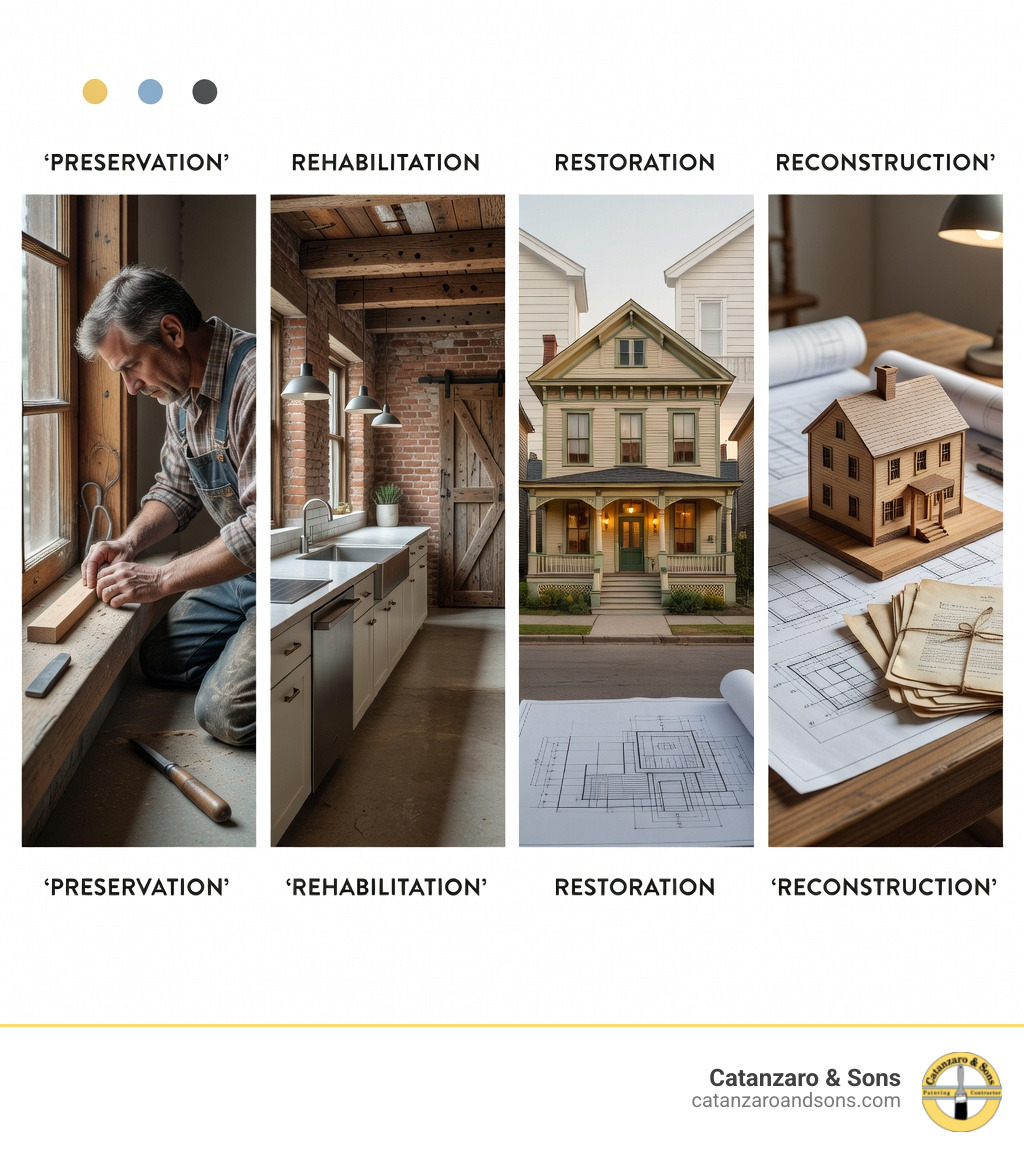
- Choose the right approach – Understand the difference between preservation (maintaining existing materials), rehabilitation (modern use with historic character), restoration (returning to specific period), and reconstruction (recreating missing elements)
- Source authentic materials – Visit architectural salvage yards and work with craftsmen experienced in traditional techniques
- Hire experienced professionals – Select contractors, architects, and preservation consultants who understand historic building methods
The appeal of these homes goes beyond nostalgia. Whether it’s a common 1910 vernacular Victorian or a grand historic property, old houses offer unique craftsmanship, sustainable building practices, and irreplaceable character that new construction simply cannot replicate. The traditional materials, period designs, and aged character of older houses are all part of their appeal—but they require specialized knowledge to maintain properly.
I’m Michael Catanzaro, and my family has been helping Rhode Island homeowners preserve their historic properties through expert painting and carpentry for over three decades. At Catanzaro & Sons, we specialize in restoring old houses with the meticulous care and traditional techniques these treasured buildings deserve, treating every project as part of our family legacy.
Why Restoring Old Houses is a Worthy Investment
When you walk into a historic home in the East Side of Providence or a coastal cottage in Narragansett, you feel something that a modern “cookie-cutter” build just can’t provide. There is a soul to these buildings. Restoring old houses isn’t just about fixing a roof; it’s about historic stewardship. We are caretakers of a legacy that predates us and, if done right, will outlast us.
Beyond the emotional connection, there is significant property value in a well-maintained historic home. In Rhode Island, where the architectural heritage is some of the richest in the country, a restored home often commands a premium. Furthermore, Maintaining and Repairing Traditional Buildings | Historic England points out that repair work is most effective when it resolves the underlying causes of decay, which actually saves you money over decades.
Sustainability is another major factor. The “greenest” building is the one that is already standing. Traditional materials like old-growth wood and masonry have incredible longevity. By choosing our Historic Restoration Services, you are opting for a path that reduces waste and honors the craftsmanship of the past.
The Benefits of Restoration vs. Buying New
Buying a new house might seem easier, but you lose the opportunity for true personalization. When restoring old houses, you can uncover hidden gems—like original heart pine floors buried under layers of 1970s shag carpet or pocket doors that haven’t seen the light of day in fifty years.
Consider the vernacular architecture common in our region. A vernacular late Victorian style home built in 1910, for example, was constructed only 117 years after Louis XIV was guillotined (1793) and 17 years before the invention of the Tastykake Butterscotch Krimpet (1927). These homes were built with a level of craftsmanship that is nearly impossible to replicate today at a reasonable cost. As seen in the Lewis Lane restoration story, even a neglected “ordinary” house can be returned to its original early 1900s splendor with the right vision.
Preserving Rhode Island’s Historic Character
Rhode Island is defined by its neighborhoods. From the colonial charm of Bristol and Warren to the Victorian “painted ladies” of Barrington, our community identity is tied to our aesthetics. When we work on a home, we aren’t just painting walls; we are preserving the neighborhood’s visual history.
Neglecting these homes leads to more than just an eyesore; it leads to a loss of history. Our Exterior Painting Services Complete Guide emphasizes that timely intervention prevents the kind of rot and decay that eventually makes restoration impossible. We take pride in being a local family-owned business that residents in Cranston, Johnston, and East Greenwich trust to keep their local history alive.
Assessing and Planning for Restoring Old Houses
Before you pick up a hammer or a paintbrush, you need a plan. Restoring old houses is not like a standard renovation. You are essentially performing surgery on a living piece of history.
The first step is a niche inspection. A standard “four-point” inspection often misses the nuances of an old home. You need someone who specifically looks for wood rot, structural movement, and the integrity of the plaster. Most old buildings move to some degree, and that isn’t always a deal-breaker—but you need an expert to tell you the difference between a “settled” house and a “sinking” one.
Prioritizing Safety and Preventing Further Damage
In restoring old houses, there is a hierarchy of needs. You might want to pick out paint colors, but if the roof is leaking, those colors won’t stay on the wall for long.
We always recommend fixing things in this order:
- Water Infiltration: Fix the roof, gutters, and downspouts. Water is the number one enemy of old houses.
- Structural Integrity: Address sagging floors or crumbling foundations.
- Safety Hazards: This includes outdated electrical systems (like knob-and-tube wiring) and lead paint or asbestos.
- Mechanical Systems: Plumbing and HVAC updates.
For those in Rhode Island dealing with structural wood issues, our Carpentry Services RI Guide offers deep insights into how we stabilize and repair historic frames.
Budgeting for Restoring Old Houses Without Going Broke
The “150% Rule” is a golden rule in restoration: whatever you think it will cost, budget 150% of that. Old houses are full of surprises. You might open a wall to install a new outlet and find that a previous owner “repaired” a support beam with a stack of old magazines.
Financial guru Dave Ramsey recommends an emergency fund of 3 to 6 months of living expenses. For an old house, we suggest keeping that fund liquid and ready. To keep costs down, consider sourcing from architectural salvage yards. You can often find period-correct doors, hardware, and moulding for a fraction of the cost of custom replicas.
To understand the regulatory framework you are working within, consult the NPS Treatment Guidelines Part 1. This document outlines the standards for preservation and rehabilitation, ensuring your investment stays within the bounds of historic accuracy.
| Treatment Type | Goal | When to Use |
|---|---|---|
| Preservation | Sustains existing form and materials | When the building is mostly intact and needs maintenance. |
| Rehabilitation | Allows modern use while keeping character | Best for homes that need new kitchens, baths, or HVAC. |
| Restoration | Returns building to a specific time period | When the house’s significance comes from a specific era. |
| Reconstruction | Recreates vanished features from scratch | When essential features are missing but evidence exists. |
Essential Repairs and Historic Material Maintenance

One of the most satisfying parts of restoring old houses is working with traditional materials. However, these materials require specific care. For example, using modern Portland cement to repoint 19th-century brick is a recipe for disaster. The modern mortar is too hard, causing the soft historic bricks to “spall” or crumble. You must use lime-based mortar that allows the masonry to breathe.
Top 10 Must-Do Upgrades for Historic Homes
- Window Restoration: Don’t replace them with vinyl! Historic windows can be made energy-efficient with weatherstripping and storm windows.
- Entry Door Refurbishment: Your front door is the “handshake” of your home.
- Electrical Overhaul: Replace knob-and-tube to ensure fire safety.
- Plumbing Update: Get rid of galvanized pipes that restrict water flow.
- Insulation Upgrades: Use “breathable” insulation to prevent moisture traps in old walls.
- HVAC Modernization: Consider high-velocity systems that can be snaked through walls without destroying plaster.
- Floor Refinishing: Sanding back decades of grime to reveal the original wood.
- Plaster Repair: Keep the original lath and plaster wherever possible; it has better soundproofing and fire resistance than drywall.
- Roofing: Use period-appropriate materials like slate, wood shingles, or high-quality architectural asphalt.
- Exterior Painting: A proper paint job is your home’s first line of defense. Our Heritage Home Painters specialize in the multi-step process required for old wood.
When it comes to wood, we often see rot in columns and sills. Our guide on Exterior Wood Painting explains how we stabilize wood before applying our signature finishes. For more technical details on recreating missing pieces, see the NPS Treatment Guidelines Part 2.
Navigating Local Regulations and Preservation Rules
If your house is in a historic district—like those in Barrington or the East Side of Providence—you likely have an extra layer of oversight. “HP” (Historic Preservation) zoning means you’ll need approval from the local historic commission for any exterior changes.
This isn’t meant to be a hurdle; it’s meant to protect your property value. If your neighbor decided to paint their Victorian home neon orange or install sliding glass doors on the front porch, your home’s value would drop. These rules keep the neighborhood cohesive. You can check out Historic District Projects for examples of how these regulations are applied in practice.
Best Practices for a Successful Restoration
Success in restoring old houses comes down to the team you assemble. You need planners, creatives, and technical consultants who “play well in the sandbox” together. At Catanzaro & Sons, we often work alongside architects and preservation consultants to ensure the vision for the home is executed perfectly.
If you are looking for a deep dive into the philosophy of restoration, I highly recommend the book Restoring Your Historic House by Scott T. Hanson. It’s a 720-page masterpiece that serves as a Bible for homeowners.
Sourcing Authentic Materials and Avoiding Common Mistakes
One of the biggest mistakes homeowners make is trying to “modernize” an old house by stripping away its character. Avoid the temptation to replace original trim with MDF from a big-box store. If a piece of crown moulding is missing, it’s better to have it replicated.
Our Trim Carpentry Services specialize in exactly this—creating custom pieces that match the 100-year-old originals. When you can’t find it new, hit the salvage yards. There is also a fantastic community of “old-house cheerleaders” on social media. Accounts like @amyleigh_1902victorian Instagram offer a wealth of advice on everything from paint strippers to sourcing period hardware.
Ensuring Code Compliance and Resilience
While we want to keep things historic, we also want them to be safe. Modern building codes for accessibility, life safety, and resilience to natural hazards (especially important in coastal South Kingstown or Narragansett) must be integrated sensitively.
This might mean adding a discreet handrail to a historic staircase or upgrading a basement to handle potential flooding. The Technical Advice Line is a great resource for understanding how to balance modern safety needs with historic fabric. When we perform an Interior Painting Services Complete Guide project, we always ensure that the surfaces are prepared safely, especially when dealing with old lead-based coatings.
Frequently Asked Questions about Restoring Old Houses
What should I fix first in an old house?
Always start with “The Shell.” If water is getting in, nothing else matters. Fix the roof, the gutters, and the foundation. Once the house is “tight” and dry, move to the mechanical systems (electrical and plumbing) for safety. Cosmetic work like painting and floor refinishing should always be the final step.
How do I find the right professionals for historic work?
Look for a “niche” portfolio. Ask potential contractors if they have worked on homes older than 50 years. (In Rhode Island, the average home is about 50 years old, but our historic stock is often much older). Ask about their experience with lime mortar, plaster repair, and oil-based vs. water-based finishes for old wood. Local references in historic districts like Bristol or Barrington are invaluable.
Is it cheaper to restore or build new?
Initially, restoration can be more expensive per square foot because of the specialized labor involved. However, the long-term value is often higher. Historic homes in established neighborhoods tend to appreciate steadily. Plus, there are often tax incentives available for certified rehabilitations of historic properties that can offset the costs significantly.
Conclusion
Restoring old houses is a labor of love, but you don’t have to do it alone. It’s a journey that takes patience, a bit of humor (you will find something weird in those walls!), and a team you can trust.
At Catanzaro & Sons, we bring over 30 years of experience to every project. Whether you are in the East Side of Providence, the coastal reaches of Narragansett, or the quiet streets of East Greenwich, we are here to provide honest craftsmanship and a 100% work guarantee. We are a local, family-owned business that treats your historic home with the same respect we give our own.
Ready to breathe new life into your historic property? Contact Us for a Historic Restoration Consultation today, and let’s start the next chapter of your home’s history together.


