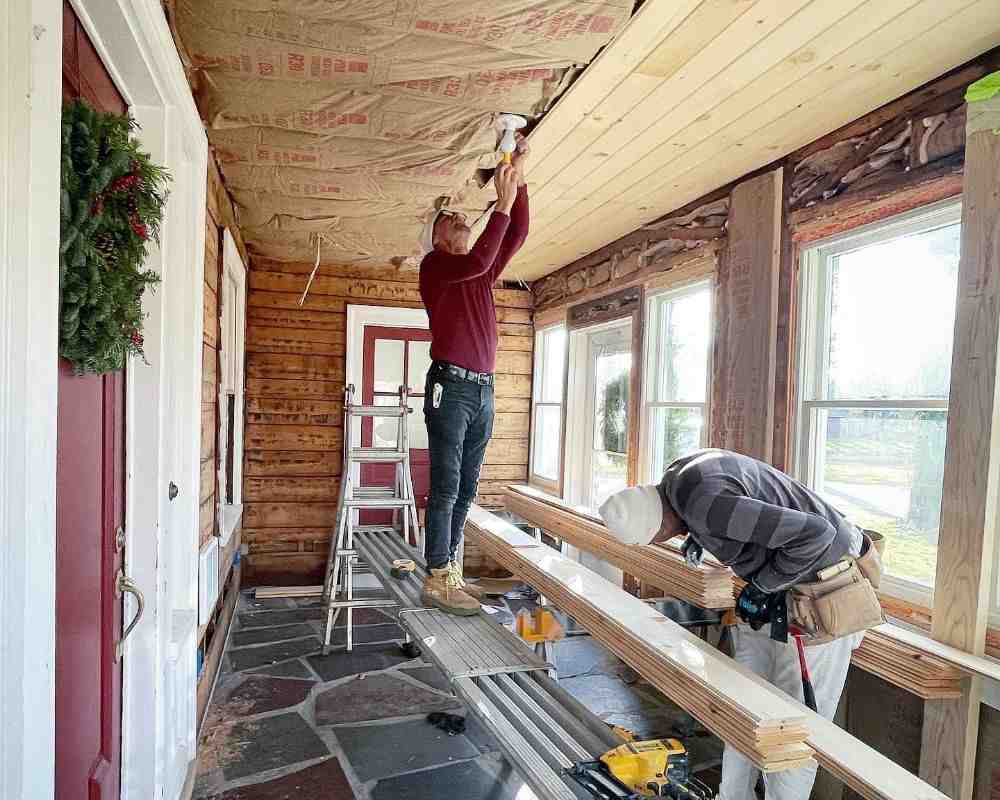
Why Commercial Trim Carpentry Matters in Professional Spaces
Commercial trim carpentry is the specialized craft of installing and finishing interior trim, moldings, and woodwork in business environments like offices, retail stores, hotels, and healthcare facilities. It serves a dual purpose: enhancing the professional appearance of a space while protecting high-traffic surfaces from daily wear and tear.
What makes commercial trim carpentry essential:
- Durability First – Uses commercial-grade materials designed to withstand heavy use in public spaces
- Professional Brand Image – Creates polished, refined interiors that reflect business credibility
- Functional Protection – Shields walls, doors, and corners from constant impact and scuffs
- Code Compliance – Meets strict building codes and industry-specific safety standards
- Custom Solutions – Offers custom designs for reception areas, retail displays, and branded elements
Walk into any high-end office lobby or upscale retail store. The crisp baseboards, neat door casings, and custom millwork aren’t just decorative—they’re working hard to protect walls from carts and foot traffic while creating an atmosphere that says “we care about details.” That’s the power of quality commercial trim work.
Unlike residential trim carpentry, which often prioritizes intricate aesthetics and homeowner preferences, commercial applications demand materials and installation techniques built for the long haul. The difference shows up in everything from material selection to installation methods.
I’m Michael Catanzaro, and at Catanzaro & Sons, we’ve spent decades changing commercial and residential properties across Rhode Island with expert painting and precision carpentry. Our family business has learned that exceptional commercial trim carpentry isn’t just about cutting straight lines—it’s about understanding how businesses use their spaces and delivering work that protects their investment while enhancing their brand.
The Foundation: What is Commercial Trim Carpentry?
At its heart, commercial trim carpentry focuses on the finishing touches that transform a commercial building from a mere structure into an inspiring, functional environment. We’re talking about the details that greet your clients, protect your walls, and subtly reinforce your brand every single day. This specialized field is distinct from residential work because it prioritizes resilience and functionality in high-traffic environments, ensuring that every installed piece can withstand the daily hustle and bustle of a busy commercial space.
From large-scale office renovations to intricate retail fit-outs right here in Rhode Island, we understand that “function over ornament” is often the guiding principle, though we certainly don’t compromise on beauty! Every project we undertake, whether in Barrington, Cranston, or the East Side of Providence, also adheres strictly to local building codes and commercial standards, ensuring not just a beautiful finish, but a safe and compliant one.
We believe that quality commercial trim carpentry is a strategic investment for any business, offering long-term benefits that extend far beyond initial aesthetics.
Commercial vs. Residential: A Tale of Two Trims
While both commercial and residential trim carpentry involve adding decorative and protective elements to interior spaces, their approaches, materials, and objectives differ significantly. Think of it as tailoring a suit for a specific occasion: a robust, durable work uniform versus a bespoke, neat evening gown.
| Feature | Commercial Trim Carpentry | Residential Trim Carpentry |
|---|---|---|
| Durability | High-grade materials, built to withstand heavy foot traffic, impacts, and frequent cleaning. Essential for longevity. | Focus on aesthetics and homeowner preference; moderate durability. |
| Scale | Large-scale projects, often involving extensive linear footage and multiple identical installations across many units or large spaces. | Smaller scale, typically single-family homes or individual units. |
| Materials | Specialized commercial-grade materials; often chosen for fire ratings, hygiene, and extreme durability. | Varied materials, often chosen for aesthetic appeal, cost, or specific design themes. |
| Design Focus | Functionality, brand image, professional aesthetic, compliance with public safety and accessibility codes. | Homeowner taste, intricate detail, architectural character, comfort, and personal style. |
In our experience serving businesses across Rhode Island, commercial trim carpentry is about creating spaces that are not only visually appealing but also incredibly robust. We use commercial-grade materials and installation techniques that stand up to constant wear and tear. For instance, robust door casings shield entryways from continuous use, while durable wall covering baseboards prevent damage from carts, furniture, and heavy foot traffic. This focus on long-term performance and protection is crucial in commercial settings.
Residential trim, on the other hand, often allows for more intricate detail and a greater emphasis on personalized aesthetics, catering to individual tastes and home styles. While we bring the same level of craftsmanship to both, the unique demands of commercial environments necessitate a different mindset and material selection. For more information on how we can improve your commercial space, please explore our expert carpentry services in Rhode Island.
The Scope of Work
The applications of commercial trim carpentry are vast and varied, touching nearly every industry where a professional and durable interior is paramount. From the busy streets of Bristol to the serene shores of Narragansett, we’ve seen how these details shape experiences.
- Office Buildings: In these spaces, trim carpentry means sleek baseboards, durable window casings, and custom reception desks designed to withstand daily hustle while presenting a polished, professional image. We might install trim that seamlessly integrates lighting or hides unsightly cables, creating a clean, modern workspace.
- Retail Stores: Here, trim work is about guiding customer flow and enhancing product display. We create custom shelving, display cases, decorative trims, and crown moldings that add visual appeal and reinforce a brand’s identity. Imagine neat paneling in a boutique or robust fixtures in a busy supermarket—all crafted to last.
- Hospitality (Hotels, Restaurants, Cafes): The guest experience is everything. From intricate moldings in hotel lobbies and banquet halls to custom trim work in guest rooms, the quality of our carpentry directly impacts how guests perceive a venue. In restaurants and cafes, we craft custom bar tops, wall paneling, and decorative beams that create inviting atmospheres and withstand constant use.
- Healthcare Facilities: In healthcare, functionality and hygiene are paramount. We select and install trim materials that meet strict hygiene and safety standards, often antimicrobial and easy to clean. Streamlined designs avoid dust and bacteria collection, contributing to a healthier environment in waiting rooms, patient areas, and administrative offices.
The Blueprint for Success: Key Functions and Applications
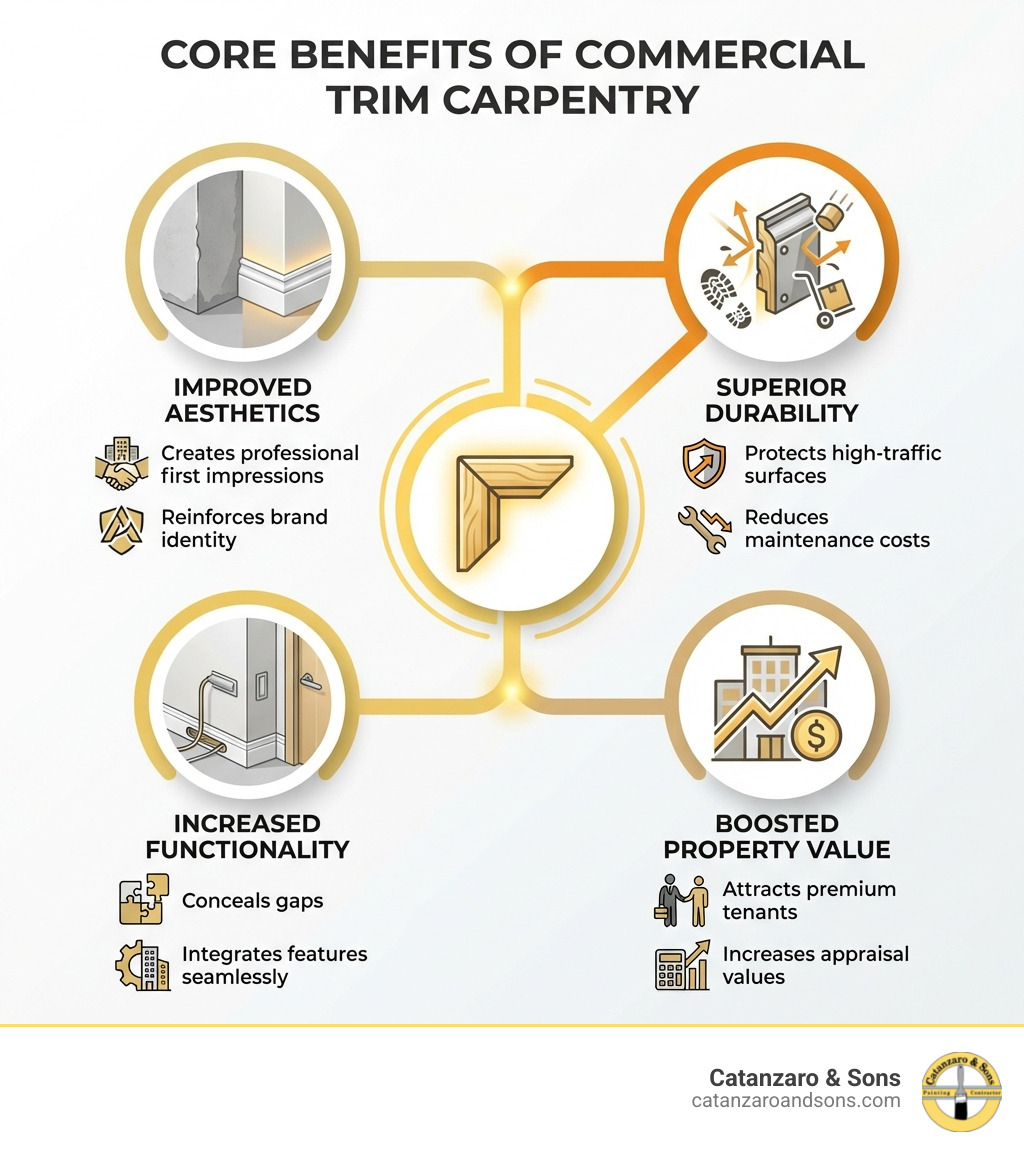
Commercial trim carpentry is much more than just decorative. It’s a strategic element in the design and longevity of any business space. We see it as a blueprint for success, where every detail serves multiple vital functions: enhancing aesthetics, ensuring durability, improving functionality, and ultimately boosting property value.
Enhancing Brand Image and Client Experience
First impressions are everything, especially in business. High-quality trim work provides a professional, polished look that powerfully reflects a business’s brand image and attention to detail. Whether it’s a law office in East Greenwich or a boutique in South Kingstown, the finish of a space speaks volumes.
We excel at crafting custom solutions that meet specific design requirements. This could mean creating a unique reception area with custom millwork that incorporates branded elements, or installing decorative trims in a retail space that subtly guide customers and improve their shopping experience. Beyond mere decoration, our commercial trim carpentry helps create a cohesive atmosphere, making clients and visitors feel welcomed and impressed from the moment they step through the door. It’s about building trust and credibility through superior craftsmanship. Our commitment to excellence also extends to our commercial painting services, ensuring a unified, impressive finish for your business. For more information, explore our commercial painting services in Rhode Island.
Protecting Your Investment for the Long Haul
Beyond aesthetics, commercial trim carpentry is a crucial protective layer for your property. Commercial spaces, by their very nature, endure significantly more wear and tear than residential ones. Our trim work is designed to shield your investment from daily impacts, scuffs, and general deterioration, ensuring that your commercial space looks great and lasts longer.
Consider these functional trim elements:
- Baseboards: These are not just decorative; they protect the bottom of your walls from scuffs, impacts, and cleaning equipment, especially critical in high-traffic corridors and common areas.
- Corner Guards: Often overlooked, corner guards are essential in commercial settings. They prevent damage to vulnerable wall corners from carts, equipment, and accidental bumps, preserving the integrity of your space.
- Door Casings: These frame your doorways, providing a finished look while protecting the edges of the walls around frequently used entry points.
- Chair Rails: Installed at a specific height, chair rails prevent furniture from scraping and damaging walls, a common issue in offices, restaurants, and waiting areas.
- Hiding Gaps and Concealing Wiring: Beyond protection, trim work expertly conceals unsightly gaps between walls, floors, and ceilings, and can even be designed to discreetly hide electrical wiring or data cables, contributing to a cleaner, safer, and more organized environment.
These elements, when installed with precision and using durable materials, significantly reduce maintenance costs and extend the lifespan of your interior surfaces.
Common Applications of Commercial Trim Carpentry Across Industries
The versatility of commercial trim carpentry means it’s essential across a wide spectrum of industries. At Catanzaro & Sons, we’ve had the privilege of working on diverse projects throughout Rhode Island, tailoring our expertise to each sector’s unique needs.
- Office Spaces: We install sleek baseboards, window casings, and custom wall paneling in offices and conference rooms. This not only improves the professional ambiance but also withstands the daily hustle, protecting walls and creating a more productive environment.
- Retail Displays: In retail, trim work is about visual merchandising. We craft custom shelving, display cases, and decorative trims that highlight products, guide customer flow, and reinforce brand identity, ensuring they endure constant customer interaction.
- Hotel Lobbies & Guest Rooms: For hospitality, we create intricate moldings in lobbies, neat wainscoting in hallways, and custom trim work in guest rooms. These details lift the guest experience, conveying luxury and attention to detail that withstands continuous guest traffic.
- Restaurant Bar Tops & Dining Areas: In restaurants and cafes, our team constructs custom bar tops, wall paneling, and decorative beams. These elements not only create inviting atmospheres but are also built with durability in mind to handle the rigors of a busy food service environment.
- Healthcare Waiting Rooms & Patient Areas: Here, trim carpentry demands specialized materials and designs. We install trim that meets strict hygiene and safety standards, often antimicrobial and easy to clean. Designs are streamlined to avoid dust and bacteria collection, contributing to a healthier environment.
The Craftsman’s Toolkit: Materials, Techniques, and Trends
The art of commercial trim carpentry is a blend of traditional craftsmanship and modern innovation. Just as a painter chooses the right brush and color for a masterpiece, we carefully select materials and employ precise techniques to ensure a flawless and durable finish for your commercial space in Rhode Island.
Selecting the Right Materials for Commercial Trim Carpentry
Material selection is paramount in commercial trim carpentry. Unlike residential projects where aesthetics might take precedence, commercial environments demand materials that can withstand heavy use, impacts, and frequent cleaning, all while maintaining their appearance.
- Durability: This is key. We often recommend solid wood for its inherent strength and longevity, especially in high-traffic areas. Medium-Density Fiberboard (MDF) offers a durable yet cost-effective alternative, resisting warping and easily shaped to mimic real wood. For sleek, modern finishes, polyurethane and PVC are excellent choices, available in various colors and styles to align with any brand identity.
- Aesthetics: While durability is crucial, visual appeal is never compromised. Solid wood provides a natural, timeless look, perfect for creating a warm and inviting atmosphere. Polyurethane and PVC offer contemporary aesthetics, allowing for creative design solutions.
- Sustainability: We are increasingly conscious of our environmental impact. When possible, we source solid wood from responsibly managed forests, supporting eco-friendly building practices. MDF, often made from recycled wood fibers, presents a sustainable alternative. Even synthetic materials like polyurethane and PVC contribute to sustainability through their extreme durability, requiring less frequent replacement and thus reducing waste over time.
Essential Skills for a Commercial Trim Carpenter
A truly skilled commercial trim carpenter possesses a unique blend of technical expertise, an eye for detail, and a deep understanding of commercial construction demands. It’s more than just cutting and nailing; it’s about precision, problem-solving, and adherence to rigorous standards.
At Catanzaro & Sons, our carpenters are masters of their craft, equipped with:
- Blueprint Reading: The ability to accurately interpret architectural drawings and blueprints is fundamental, ensuring every piece of trim aligns perfectly with the overall design vision.
- Precision Cutting: Mastering various cuts is essential. This includes miter cuts for clean, precise corner joints (typically 45 degrees), and coping cuts for seamless inside corners, especially critical for crown molding and baseboards. These techniques ensure tight fits and a professional finish that hides imperfections.
- Problem-Solving: Commercial projects often present unique challenges, from uneven walls to complex installations. Our carpenters are adept at finding practical and effective solutions on-site.
- Knowledge of Commercial Standards: We are intimately familiar with the specific codes and regulations applicable to commercial construction in Rhode Island, ensuring all installations meet safety, accessibility, and fire ratings where required.
- Best Practices for Trim Installation: This involves meticulous preparation, proper fastening techniques, and a thorough understanding of how different materials behave.
- Safety Protocols: Working on commercial job sites demands strict adherence to safety regulations, protecting both our team and everyone else on the project.
Key Types of Finish Carpentry
Within the broader scope of finish carpentry, several specialized areas contribute to the final look and functionality of a commercial space. We often integrate these elements to create a cohesive and impressive interior.
- Trim Work: This is the most common form of finish carpentry, involving the installation of moldings, baseboards, and casings around doors, windows, and walls. These elements add a decorative touch and define the style of a space, from minimalist to ornate.
- Millwork: This refers to custom woodwork crafted in a mill or workshop before being installed on-site. It includes items like custom cabinetry, paneling, and intricate moldings. Millwork is crucial for creating cohesive design themes throughout a commercial space, enhancing both aesthetics and functionality.
- Cabinetmaking: This is the art of creating custom cabinets custom to specific needs. In commercial settings, this means designing storage solutions for offices, retail displays, or built-in units for hospitality that maximize space and efficiency without compromising style.
- Joinery: This is the precise technique of joining wood pieces together to create structures like doors, windows, and staircases. Our joinery requires precision and skill, ensuring that each piece fits perfectly and functions smoothly, contributing to the structural integrity and aesthetic appeal of the final product.
Frequently Asked Questions about Commercial Carpentry
What is the main difference between commercial and residential trim carpentry?
The primary difference lies in the focus; commercial trim carpentry prioritizes durability, functionality, and compliance with codes for high-traffic public spaces, whereas residential trim often emphasizes detailed aesthetics custom to a homeowner’s personal style. Commercial projects demand materials that can withstand more wear and tear, and installations must often meet stringent fire and safety regulations common in Rhode Island’s business environments.
How does quality trim work add value to a commercial property?
High-quality trim work increases property value by enhancing aesthetic appeal to attract premium tenants, improving durability to lower long-term maintenance costs, and reflecting a professional brand image that boosts business credibility. Properties with superior finishes often appraise higher and draw tenants willing to pay higher rents for spaces that align with their brand and values. Over time, quality carpentry also reduces maintenance costs and increases property longevity, offering better returns for investors.
What is the difference between trim carpentry and millwork?
Trim carpentry generally refers to the on-site installation of stock or custom moldings like baseboards and casings around windows, doors, and walls. It focuses on the final decorative and protective elements that are applied after the main construction. Millwork, on the other hand, involves the custom fabrication of wood components like cabinets, paneling, built-in shelving, or complex moldings in a workshop (a mill) before they are installed on-site. Millwork allows for highly customized, intricate designs that are often pre-finished before installation. Learn more about our trim services.
Conclusion: Partnering with Experts for a Flawless Finish
In the dynamic world of commercial spaces across Rhode Island, from the busy areas of Johnston to the vibrant communities of Warren, the details truly matter. Commercial trim carpentry is a critical investment that delivers lasting impressions, long-term value, and unparalleled functionality. It’s about more than just aesthetics; it’s about creating durable, compliant, and impressive environments that reflect your business’s professionalism and attention to detail.
At Catanzaro & Sons, we pride ourselves on our professional craftsmanship and unwavering attention to detail. For over 30 years, our family has combined expert painting with precision carpentry to transform commercial spaces across Rhode Island, ensuring every detail reflects our commitment to quality and your complete satisfaction. We understand the unique demands of commercial projects and bring our extensive experience to every job, big or small. When you partner with us, you’re choosing a team dedicated to delivering a flawless finish that stands the test of time.
Ready to lift your commercial space with expert commercial trim carpentry? Explore our expert carpentry services in Rhode Island and let’s discuss how we can bring your vision to life.