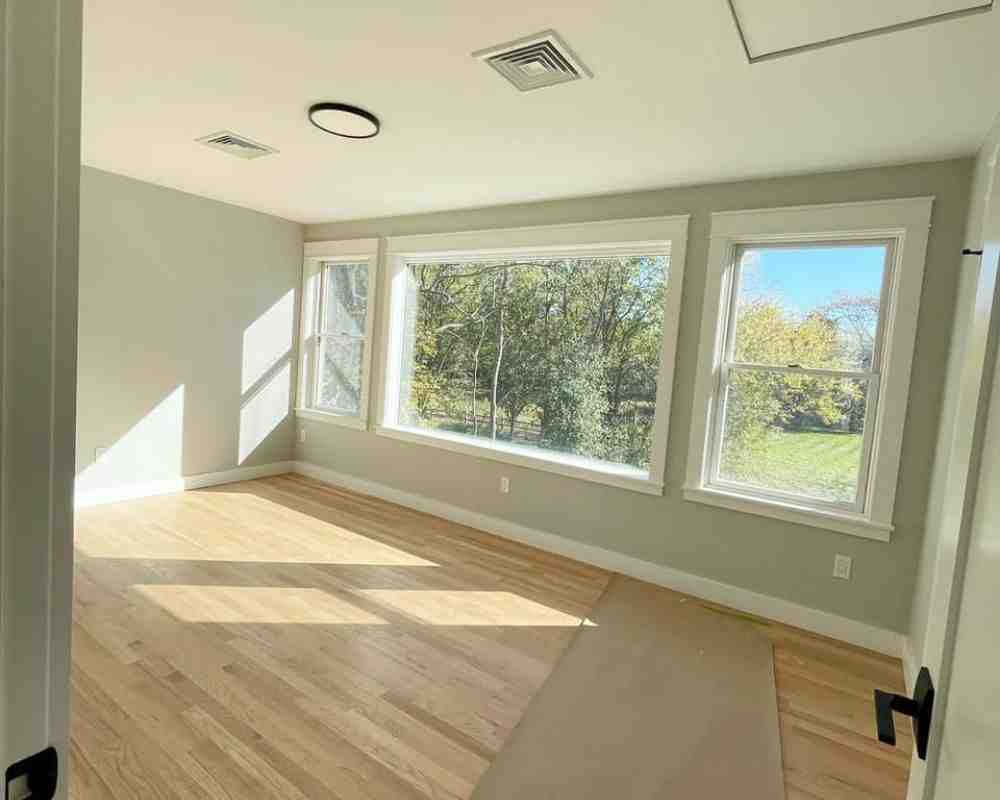
The Best Paint for Walls in Living Room: A Quick Guide
The best paint for walls in living room spaces comes down to a few key choices — the right color, finish, and formula for your specific space. Here’s a quick snapshot to help you decide fast:
| Priority | Best Choice |
|---|---|
| Overall quality | Benjamin Moore Aura (matte finish) |
| Durability & stain resistance | Benjamin Moore Regal Select or Sherwin-Williams Emerald |
| Most popular colors | Neutrals: whites, off-whites, grays, greige |
| Best finish for living rooms | Matte or eggshell |
| Eco-friendly option | Low-VOC or zero-VOC water-based paints |
| High-traffic households | Satin or eggshell for easy cleaning |
Your living room sets the tone for your entire home. It’s where family gathers, guests visit, and first impressions are made. Yet choosing the right paint can feel overwhelming — with thousands of colors, multiple finishes, and competing brand claims, it’s easy to freeze up before you even open a can.
The good news? Getting it right doesn’t require a design degree. It requires knowing a few key things about your space — your lighting, your furniture, and how you want the room to feel.
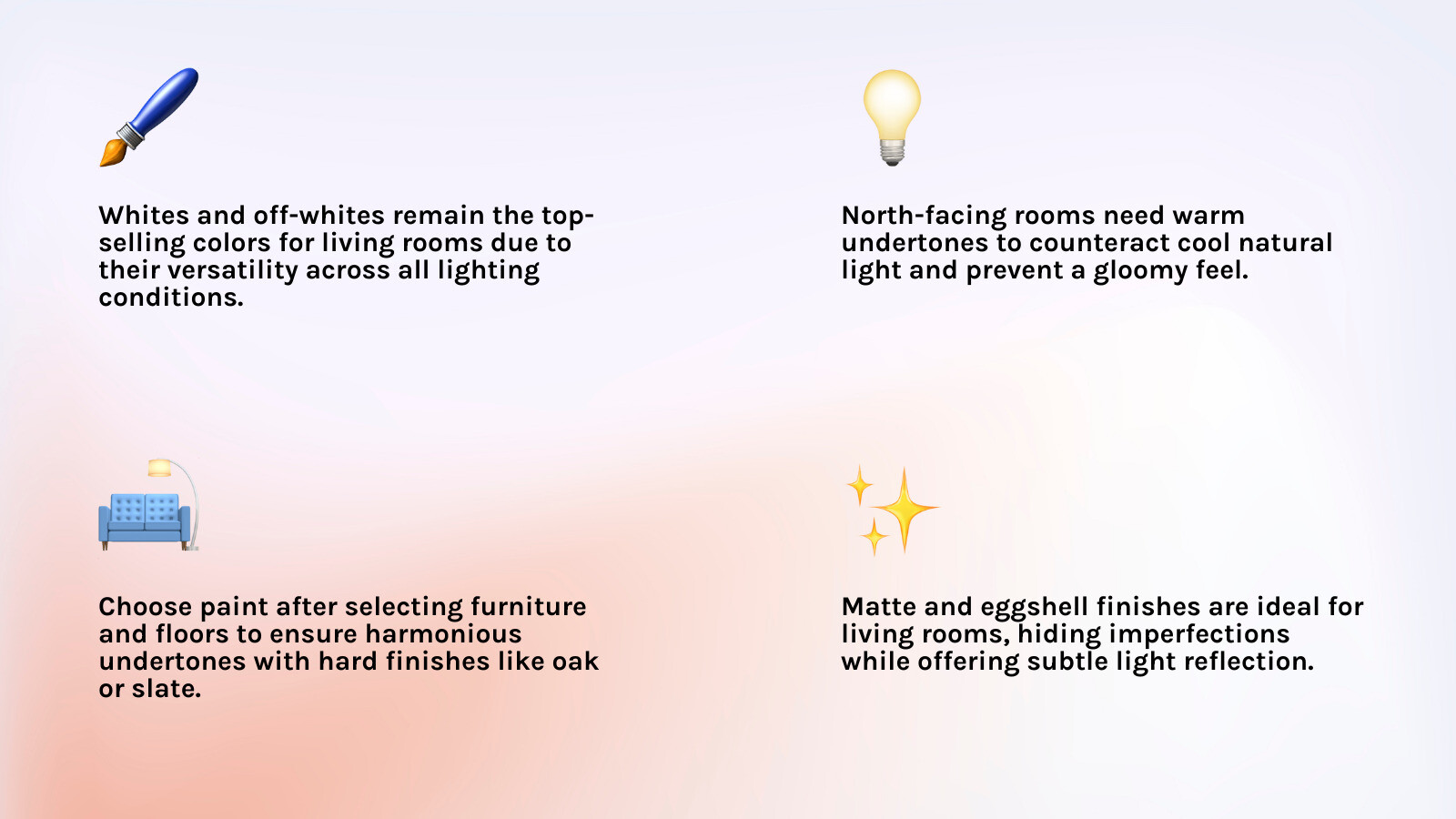
Whites and off-whites remain the top-selling interior colors for a reason: they’re versatile, forgiving, and work in almost any space. But neutrals like warm grays and greiges are equally popular for living rooms, and bold accent colors are making a strong comeback in 2025.
My name is Michael Catanzaro, and as the owner of Catanzaro & Sons — a family painting business serving Rhode Island since 1996 — I’ve helped hundreds of homeowners find the best paint for walls in living room projects across all kinds of homes, from modern builds to 100-year-old historic properties. In this guide, I’ll walk you through everything you need to know to make a confident, lasting choice.
Choosing the Best Paint for Walls in Living Room Projects
Selecting the best paint for walls in living room areas involves more than just picking a pretty swatch at the hardware store. Since the living room is often the largest contiguous space in a Rhode Island home—especially in the open-concept layouts common in Barrington or East Greenwich—the color you choose will interact with your flooring, your furniture, and even the view out your windows.
One of the most important things to remember is that paint should usually be chosen last. It is much easier to find a paint color that complements your existing sofa and area rug than it is to find a rug that perfectly matches a specific shade of “Seafoam Green” you’ve already rolled onto the walls. Before committing, take a look at your “hard finishes”—your hardwood floors, fireplace stone, and window trim. These elements have permanent undertones (like orange in oak floors or blue in certain slates) that will dictate which paint colors look harmonious and which look like a mistake.
If you are curious about the investment required for a professional transformation, you can find more info about interior painting costs to help plan your project budget.
Impact of Natural Light on the Best Paint for Walls in Living Room
In our 30 years of painting homes across the East Side of Providence and Narragansett, we’ve seen how Rhode Island’s coastal light can play tricks on color. Lighting is the single most influential factor in how a paint color actually looks on your wall.
- North-Facing Rooms: These rooms receive cool, bluish light. If you use a cool gray or a crisp white, the room can end up feeling chilly or “flat.” To counter this, we often recommend warmer neutrals or whites with a hint of yellow or peach to bring back some coziness.
- Southern Exposure: These rooms are flooded with warm, golden light all day. They can handle almost any color, but be careful with pale shades—they often get “washed out” in the intensity. This is the perfect place for saturated colors like navy or deep forest green.
- Artificial Lighting: Don’t forget how the room looks at night! LED bulbs come in different “temperatures.” A “Daylight” bulb will make colors look crisp and blue, while a “Soft White” bulb will pull out yellow and red undertones.
The best way to avoid a “color catastrophe” is to shop online for samples. We always suggest testing your options by painting large swatches on heavy paper or using Samplize peel-and-stick sheets. Move them around the room at different times of the day to see how the hue shifts from morning coffee to evening movies.
Creating the Right Mood with Color
What do you want to do in your living room? If it’s a place for quiet reading and relaxation, you’ll want a different palette than a room meant for lively Saturday night entertaining.
- Cozy Neutrals: Shades like Benjamin Moore’s Revere Pewter or Baby Fawn create a “Hygge” vibe—that Scandinavian sense of warmth and contentment.
- Airy Whites: For a modern, spacious feel, Benjamin Moore’s Chantilly Lace is a crisp, bright favorite that works wonders in smaller Warwick or Cranston cottages.
- Bold Accent Walls: If you aren’t ready to drench the whole room in a dark color, an accent wall in a shade like Hale Navy or Tricorn Black adds instant architectural interest.
- Earthy Tones: For 2025, we are seeing a huge shift toward “biophilic” colors—terracotta oranges, sage greens, and muddy browns that bring the outside in.
Top-Tier Paint Products for Durability and Style
When we talk about the best paint for walls in living room use, we aren’t just talking about the color—we’re talking about the chemical “recipe” inside the can. High-quality paint uses better resins and more pigment, which means better coverage (fewer coats!) and a finish that doesn’t fade.
For most Rhode Island homeowners, we recommend three “gold standard” products:
- Benjamin Moore Aura: This is the ultra-premium choice. It uses Gennex color-technology to ensure the color stays vibrant for years. It’s a paint-and-primer-in-one that dries incredibly fast.
- Benjamin Moore Regal Select: A flagship product for over 50 years, Regal Select is known for its “stain-release” technology. If you have kids or pets, this is often the best balance of price and performance.
- Sherwin-Williams Emerald: This is Sherwin-Williams’ top-tier interior line. It offers a stunningly smooth finish and is highly resistant to water spotting and streaks.
For more details on how these stack up, you can consult The Best Interior Paints of 2025 for independent testing results.
The Best Paint for Walls in Living Room High-Traffic Areas
Let’s be honest: living rooms in active households take a beating. Between muddy paws in South Kingstown and sticky fingers in Johnston, your walls need to be scrubbable.
Historically, if you wanted a “washable” paint, you had to choose a shiny finish. Thankfully, modern technology has changed that. You can now get a Benjamin Moore Aura Interior Matte that is as durable as an old-school gloss. For high-traffic zones, look for labels that mention “scrubbability” or “burnish resistance” (which prevents the paint from getting shiny spots when you rub against it).
If you’re planning a full home refresh, check out our interior painting services guide to see how we handle high-traffic prep and application.
Eco-Friendly and Low-VOC Selections
Indoor air quality is a major concern for many of our clients, especially those with infants or respiratory sensitivities. VOCs (Volatile Organic Compounds) are the chemicals that cause that “new paint smell” and can off-gas for days.
The best paint for walls in living room projects today is almost always low-VOC or zero-VOC. Brands like Benjamin Moore have removed these chemicals without sacrificing the “buttery” application professionals love. Using water-based formulas not only protects your family’s lungs but also makes clean-up much easier and more sustainable for our beautiful Rhode Island environment.
Finding the Right Sheen: From Matte to Satin
The “sheen” refers to how much light reflects off the paint surface once it’s dry. Choosing the right one is just as important as choosing the color.
| Finish | Reflection Level | Best For | Pros | Cons |
|---|---|---|---|---|
| Matte / Flat | Low to None | Living Rooms, Bedrooms | Hides wall imperfections; elegant look | Harder to clean (historically) |
| Eggshell | Low / Soft Glow | Living Rooms, Hallways | Great “middle ground”; washable | Can show some roller marks |
| Satin | Medium | Trim, Doors, Active Living Rooms | Highly durable; moisture resistant | Shows every bump in the wall |
When to Choose a Matte Finish
We often recommend a matte finish for living rooms in older Rhode Island homes. Why? Because older walls have “character”—which is a polite way of saying they have bumps, patches, and uneven textures. A matte finish absorbs light rather than reflecting it, which effectively hides those imperfections. It provides a rich, velvety look that makes deep colors like Narragansett Green look incredibly sophisticated.
The Benefits of Eggshell and Satin
If your living room doubles as a playroom, eggshell is your best friend. It has a very slight “sheen” (like the surface of a real egg) that allows you to wipe away scuffs with a damp cloth without removing the paint itself. Satin is even tougher, though we usually reserve it for the trim and doors to provide a nice contrast against matte walls.
To get an idea of how these choices impact your project’s bottom line, you can view the average cost of indoor painting for standard room sizes.
Preparation and Testing for Professional Results
At Catanzaro & Sons, we have a saying: “Painting is 80% preparation and 20% application.” You could buy the most expensive paint in the world, but if you put it over a dusty, cracked wall, it will look terrible and peel within a year.
Before we ever open a gallon, we follow a strict process:
- Cleaning: Dust and oils from hands can prevent paint from sticking. A quick wipe with soapy water is essential.
- Repairing: We fill every nail hole and gap with high-quality spackle or caulk.
- Sanding: This ensures the new paint has a “tooth” to grab onto.
- Priming: Especially if you are going from a dark color to a light one (or vice versa), a primer coat ensures the final color is accurate and even.
Calculating Your Paint Needs
Nothing kills the momentum of a DIY project like running out of paint on the last wall. On average, a gallon of paint covers 350 to 400 square feet.
For a typical 12′ x 15′ living room with 8-foot ceilings, you’ll likely need about two gallons for two solid coats. Always plan for two coats—even if the can says “one-coat coverage,” a second coat provides the depth and durability that makes a professional job stand out.
Avoiding Common Painting Mistakes
We’ve been called in to “rescue” many DIY projects over the years. The most common mistakes are:
- Ignoring Undertones: Picking a “gray” that turns purple once it hits the wall because the homeowner didn’t test it against their floor.
- Rushing the Dry Time: Putting a second coat on too soon can cause the paint to “gum up” or peel.
- Using Cheap Tools: A $5 brush will leave bristles in your beautiful new finish.
If the prep work sounds daunting, our professional interior painting services can take the stress off your hands, ensuring a flawless finish with a 100% work guarantee.
Frequently Asked Questions about Living Room Paint
What is the most popular color for a living room in 2025?
While whites like Sherwin Williams Pure White are timeless, the “it” colors for 2025 are warm, earthy neutrals and “moody” greens. Think mushroom beiges, soft terracottas, and deep forest hues that create a grounded, sanctuary-like feeling.
How many coats of paint do I need for living room walls?
Two coats is the industry standard. The first coat seals the surface and provides the base color; the second coat builds the “film” for durability and ensures the color is rich and uniform. If you are covering a very dark color with a light one, you may even need a primer plus two coats.
Should I paint my trim and walls the same color?
This is a trend called “color drenching.” Painting the walls, baseboards, and crown molding the same color can make a small room feel much larger and more modern. If you want a more traditional look, use a slightly off-white satin finish for the trim to frame your wall color.
Conclusion
Finding the best paint for walls in living room projects is about blending your personal style with the practical needs of your home. Whether you are looking to brighten up a historic colonial in Bristol or add a modern accent wall to a condo in Providence, the right paint makes all the difference.
At Catanzaro & Sons, we bring over 30 years of experience to every brushstroke. As a local, family-owned business, we treat your home with the same honesty and respect we’d give our own. From expert color consultations to meticulous historic home restoration, we are dedicated to your complete satisfaction.
Stop staring at those blank walls. Transform your home with our interior painting services today and see why Rhode Island homeowners have trusted us for three decades. Give us a call—we’d love to help you pick the perfect palette!