
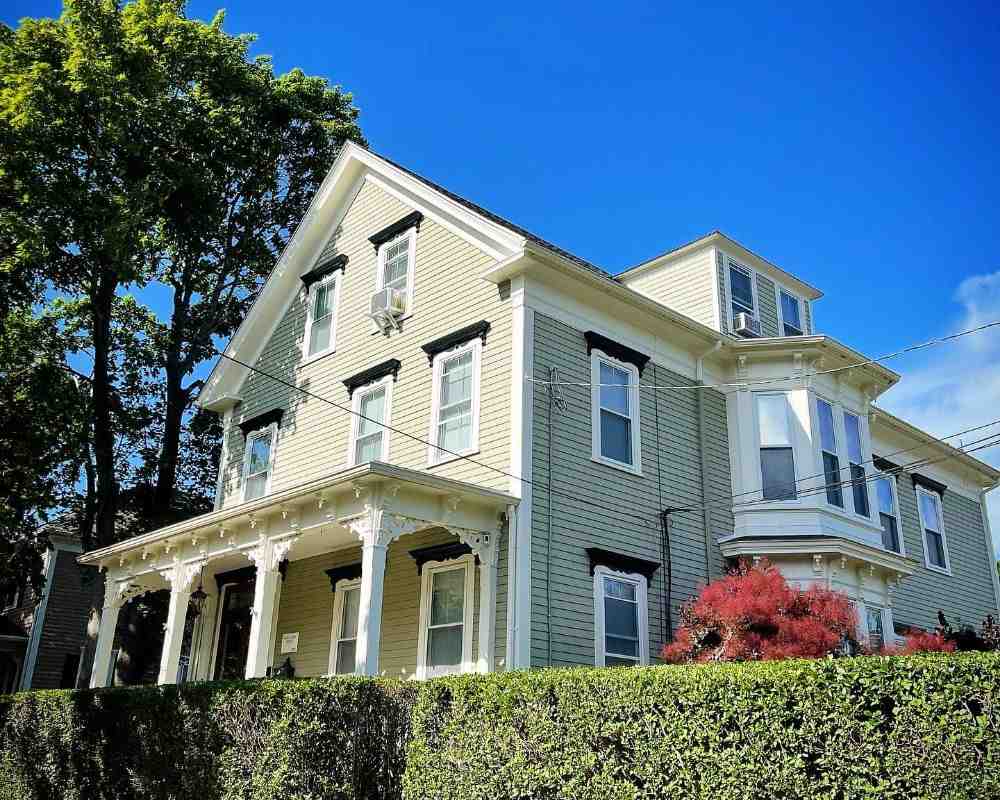
Why Restoring Old Buildings Matters to Your Community
Restoring old buildings is the process of preserving or returning a historic structure to a former state while adapting it for modern use. Here’s what you need to know:
The Four Main Approaches:
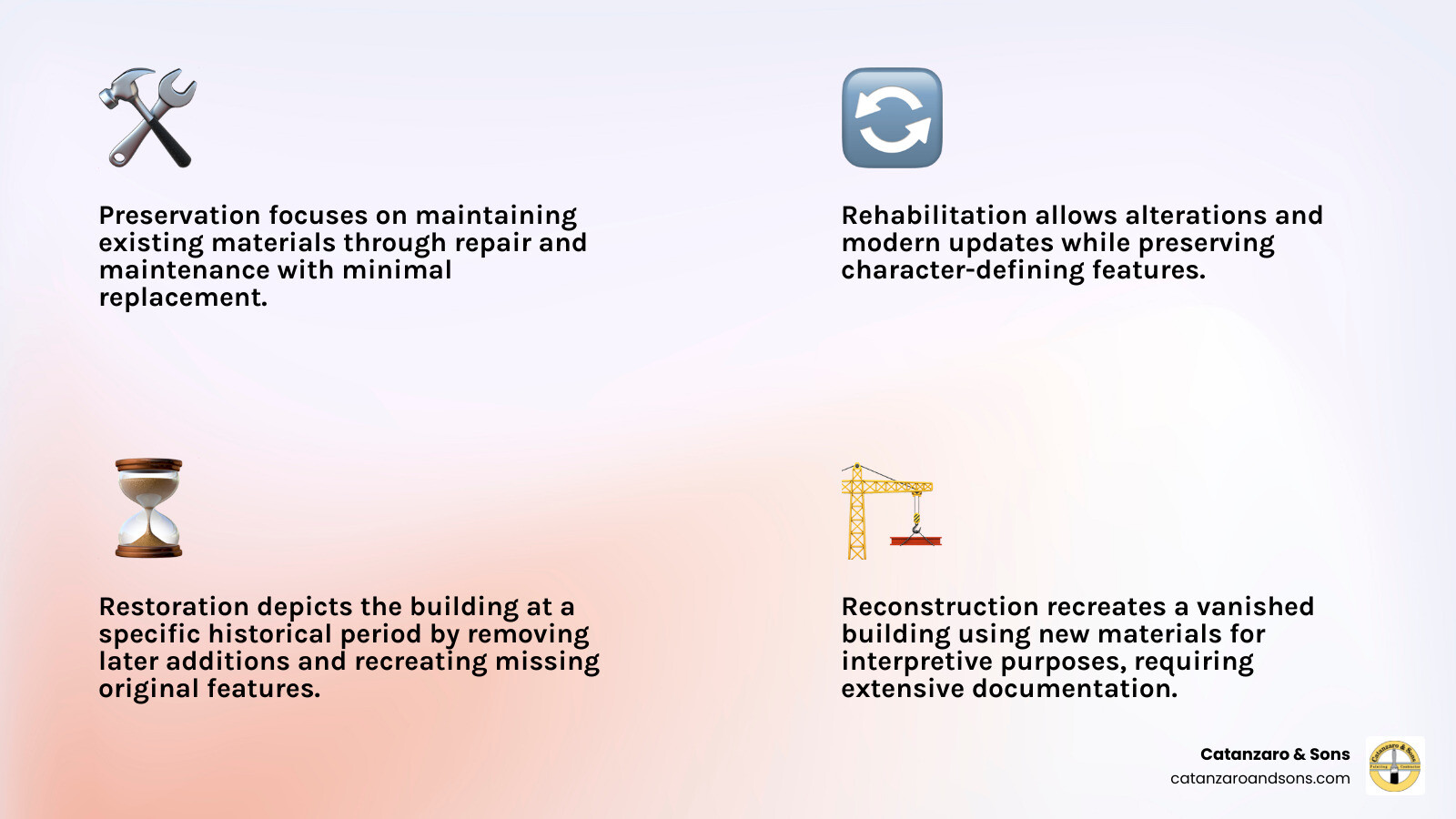
- Preservation – Maintaining existing materials and features through ongoing repair
- Rehabilitation – Adapting the building for contemporary use while keeping historic character
- Restoration – Returning the building to its appearance at a specific time period
- Renovation – Updating the structure with modern systems and amenities
Key Benefits:
- Protects community heritage and local identity
- Often costs less than new construction
- Creates jobs and attracts businesses
- Reduces waste and conserves natural resources
- May qualify for grants and tax incentives
Historic buildings are more than just old structures. They’re tangible connections to our past that foster community pride and create unique spaces for modern life. From Victorian homes to Colonial-era storefronts, these properties tell the story of Rhode Island’s rich history.
Every restoration project blends art and science. It requires understanding historical construction methods, navigating modern building codes, and applying specialized craftsmanship to materials like original wood trim, masonry, and decorative metalwork. The process demands patience, expertise, and a commitment to preserving what makes these buildings special.
I’m Michael Catanzaro, and for over 30 years, Catanzaro & Sons has specialized in restoring old buildings throughout Rhode Island, combining traditional craftsmanship with modern techniques to preserve our local architectural heritage. Whether you own a historic home or a commercial property with character, understanding the restoration process helps you make informed decisions that honor the past while meeting today’s needs.
Defining Your Project: Restoration, Rehabilitation, or Renovation?
When we talk about working on an old building, it’s easy to use terms like “restoring,” “rehabilitating,” and “renovating” interchangeably. However, these approaches have distinct goals and implications for the building’s historical integrity. Understanding these differences is the first crucial step in planning your project. The Secretary of the Interior’s Standards for the Treatment of Historic Properties, a foundational document in historic preservation, clearly defines four treatments: preservation, rehabilitation, restoration, and reconstruction. These standards guide us in choosing the most appropriate path for a historic property based on its significance, physical condition, and proposed use.
Let’s break down the key distinctions:
| Treatment | Goals | Approach to Materials | Modern Updates |
| :—————— | :————————————————————————————————————————————————————————————————————————————————————————————————————————————————————————————————————————————————————————————————————————————————————————————————————————————————————————————————————————————————————————————————————————————————————————————————————————————————————————————————————————————————————————————————————————————————————————————————————————————————————————————————————————————————————————————————————————————————————————————————————————————————————————————————————————————————————————————————————————————————————————————————————————————————————————————————————————————————————————————————————————————————————————————————————————————————————————————————————————————————————————————————————————————————————————————————————————————————————————————————————————————————————————————————————————————————————————————————————————————————————————————————————————————————————————————————————————————————————————————————————————————————————————————————————————————————————————————————————————————————————————————————————————————————————————————————————————————————————————————————————————————————————————————————————————————————————————————————————————————————————————————————————————————————————————————————————————————————————————————————————————————————————————————————————————————————————————————————————————————————————————————————————————————————————————————————————————————————————————————————————————————————————————————————————————————————————————————————————————————————————————————————————————————————————————————————————————————————————————————————————————————————————————————————————————————————————————————————————————————————————————————————————————————————————————————————————————————————————————————————————————————————————————————————————————————————————————————————————————————————————————————————————————————————————————————————————————————————————————————————————————————————————————————————————————————————————————————————————————————————————————————————————————————————————————————————————————————————————————————————————————————————————————————————————————————————————————————————————————————————————————————————————————————————————————————————————————————————————————————————————————————————————————————————————————————————————————————————————————————————————————————————————————————————————————————————————————————————————————————————————————————————————————————————————————————————————————————————————————————————————————————————————————————————————————————————————————————————————————————————————————————————————————————————————————————————————————————————————————————————————————————————————————————————————————————————————————————————————————————————————————————————————————————————————————————————————————————————————————————————————————————————————————————————————————————————————————————————————————————————————————————————————————————————————————————————————————————————————————————————————————————————————————————————————————————————————————————————————————————————————————————————————————————————————————————————————————————————————————————————————————————————————————————————————————————————————————————————————————————————————————————————————————————————————————————————————————————————————————————————————————————————————————————————————————————————————————————————————————————————————————————————————————————————————————————————————————————————————————————————————————————————————————————————————————————————————————————————————————————————————————————————————————————————————————————————————————————————————————————————————————————————————————————————————————————————————————————————————————————————————————————————————————————————————————————————————————————————————————————————————————————————————————————————————————————————————————————————————————————————————————————————————————————————————————————————————————————————————————————————————————————————————————————————————————————————————————————————————————————————————————————————————————————————————————————————————————————————————————————————————————————————————————————————————————————————————————————————————————————————————————————————————————————————————————————————————————————————————————————————————————————————————————————————————————————————————————————————————————————————————————————————————————————————————————————————————————————————————————————————————————————————————————————————————————————————————————————————————————————————————————————————————————————————————————————————————————————————————————————————————————————————————————————————————————————————————————————————————————————————————————————————————————————————————————————————————————————————————————————————————————————————————————————————————————————————————————————————————————————————————————————————————————————————————————————————————————————————————————————————————————————————————————————————————————————————————————————————————————————————————————————————————————————————————————————————————————————————————————————————————————————————————————————————————————————————————————————————————————————————————————————————————————————————————————————————————————————————————————————————————————————————————————————————————————————————————————————————————————————————————————————————————————————————————————————————————————————————————————————————————————————————————————————————————————————————————————————————————————————————————————————————————————————————————————————————————————————————————————————————————————————————————————————————————————————————————————————————————————————————————————————————————————————————————————————————————————————————————————————————————————————————————————————————————————————————————————————————————————————————————————————————————————————————————————————————————————————————————————————————————————————————————————————————————————————————————————————————————————————————————————————————————————————————————————————————————————————————————————————————————————————————————————————————————————————————————————————————————————————————————————————————————————————————————————————————————————————————————————————————————————————————————————————————————————————————————————————————————————————————————————————————————————————————————————————————————————————————————————————————————————————————————————————————————————————————————————————————————————————————————————————————————————————————————————————————————————————————————————————————————————————————————————————————————————————————————————————————————————————————————————————————————————————————————————————————————————————————————————————————————————————————————————————————————————————————————————————————————————————————————————————————————————————————————————————————————————————————————————————————————————————————————————————————————————————————————————————————————————————————————————————————————————————————————————————————————————————————————————————————————————————————————————————————————————————————————————————————————————————————————————————————————————————————————————————————————————————————————————————————————————————————————————————————————————————————————————————————————————————————————————————————————————————————————————————————————————————————————————————————————————————————————————————————————————————————————————————————————————————————————————————————————————————————————————————————————————————————————————————————————————————————————————————————————————————————————————————————————————————————————————————————————————————————————————————————————————————————————————————————————————————————————————————————————————————————————————————————————————————————————————————————————————————————————————————————————————————————————————————————————————————————————————————————————————————————————————————————————————————————————————————————————————————————————————————————————————————————————————————————————————————————————————————————————————————————————————————————————————————————————————————————————————————————————————————————————————————————————————————————————————————————————————————————————————————————————————————————————————————————————————————————————————————————————————————————————————————————————————————————————————————————————————————————————————————————————————————————————————————————————————————————————————————————————————————————————————————————————————————————————————————————————————————————————————————————————————————————————————————————————————————————————————————————————————————————————————————————————————————————————————————————————————————————————————————————————————————————————————————————————————————————————————————————————————————————————————————————————————————————————————————————————————————————————————————————————————————————————————————————————————————————————————————————————————————————————————————————————————————————————————————————————————————————————————————————————————————————————————————————————————————————————————————————————————————————————————————————————————————————————————————————————————————————————————————————————————————————————————————————————————————————————————————————————————————————————————————————————————————————————————————————————————————————————————————————————————————————————————————————————————————————————————————————————————————————————————————————————————————————————————————————————————————————————————————————————————————————————————————————————————————————————————————————————————————————————————————————————————————————————————————————————————————————————————————————————————————————————————————————————————————————————————————————————————————————————————————————————————————————————————————————————————————————————————————————————————————————————————————————————————————————————————————————————————————————————————————————————————————————————————————————————————————————————————————————————————————————————————————————————————————————————————————————————————————————————————————————————————————————————————————————————————————————————————————————————————————————————————————————————————————————————————————————————————————————————————————————————————————————————————————————————————————————————————————————————————————————————————————————————————————————————————————————————————————————————————————————————————————————————————————————————————————————————————————————————————————————————————————————————————————————————————————————————————————————————————————————————————————————————————————————————————————————————————————————————————————————————————————————————————————————————————————————————————————————————————————————————————————————————————————————————————————————————————————————————————————————————————————————————————————————————————————————————————————————————————————————————————————————————————————————————————————————————————————————————————————————————————————————————————————————————————————————————————————————————————————————————————————————————————————————————————————————————————————————————————————————————————————————————————————————————————————————————————————————————————————————————————————————————————————————————————————————————————————————————————————————————————————————————————————————————————————————————————————————————————————————————————————————————————————————————————————————————————————————————————————————————————————————————————————————————————————————————————————————————————————————————————————————————————————————————————————————————————————————————————————————————————————————————————————————————————————————————————————————————————————————————————————————————————————————————————————————————————————————————————————————————————————————————————————————————————————————————————————————————————————————————————————————————————————————————————————————————————————————————————————————————————————————————————————————————————————————————————————————————————————————————————————————————————————————————————————————————————————————————————————————————————————————————————————————————————————————————————————————————————————————————————————————————————————————————————————————————————————————————————————————————————————————————————————————————————————————————————————————————————————————————————————————————————————————————————————————————————————————————————————————————————————————————————————————————————————————————————————————————————————————————————————————————————————————————————————————————————————————————————————————————————————————————————————————————————————————————————————————————————————————————————————————————————————————————————————————————————————————————————————————————————————————————————————————————————————————————————————————————————————————————————————————————————————————————————————————————————————————————————————————————————————————————————————————————————————————————————————————————————————————————————————————————————————————————————————————————————————————————————————————————————————————————————————————————————————————————————————————————————————————————————————————————————————————————————————————————————————————————————————————————————————————————————————————————————————————————————————————————————————————————————————————————————————————————————————————————————————————————————————————————————————————————————————————————————————————————————————————————————————————————————————————————————————————————————————————————————————————————————————————————————————————————————————————————————————————————————————————————————————————————————————————————————————————————————————————————————————————————————————————————————————————————————————————————————————————————————————————————————————————————————————————————————————————————————————————————————————————————————————————————————————————————————————————————————————————————————————————————————————————————————————————————————————————————————————————————————————————————————————————————————————————————————————————————————————————————————————————————————————————————————————————————————————————————————————————————————————————————————————————————————————————————————————————————————————————————————————————————————————————————————————————————————————————————————————————————————————————————————————————————————————————————————————————————————————————————————————————————————————————————————————————————————————————————————————————————————————————————————————————————————————————————————————————————————————————————————————————————————————————————————————————————————————————————————————————————————————————————————————————————————————————————————————————————————————————————————————————————————————————————————————————————————————————————————————————————————————————————————————————————————————————————————————————————————————————————————————————————————————————————————————————————————————————————————————————————————————————————————————————————————————————————————————————————————————————————————————————————————————————————————————————————————————————————————————————————————————————————————————————————————————————————————————————————————————————————————————————————————————————————————————————————————————————————————————————————————————————————————————————————————————————————————————————————————————————————————————————————————————————————————————————————————————————————————————————————————————————————————————————————————————————————————————————————————————————————————————————————————————————————————————————————————————————————————————————————————————————————————————————————————————————————————————————————————————————————————————————————————————————————————————————————————————————————————————————————————————————————————————————————————————————————————————————————————————————————————————————————————————————————————————————————————————————————————————————————————————————————————————————————————————————————————————————————————————————————————————————————————————————————————————————————————————————————————————————————————————————————————————————————————————————————————————————————————————————————————————————————————————————————————————————————————————————————————————————————————————————————————————————————————————————————————————————————————————————————————————————————————————————————————————————————————————————————————————————————————————————————————————————————————————————————————————————————————————————————————————————————————————————————————————————————————————————————————————————————————————————————————————————————————————————————————————————————————————————————————————————————————————————————————————————————————————————————————————————————————————————————————————————————————————————————————————————————————————————————————————————————————————————————————————————————————————————————————————————————————————————————————————————————————————————————————————————————————————————————————————————————————————————————————————————————————————————————————————————————————————————————————————————————————————————————————————————————————————————————————————————————————————————————————————————————————————————————————————————————————————————————————————————————————————————————————————————————————————————————————————————————————————————————————————————————————————————————————————————————————————————————————————————————————————————————————————————————————————————————————————————————————————————————————————————————————————————————————————————————————————————————————————————————————————————————————————————————————————————————————————————————————————————————————————————————————————————————————————————————————————————————————————————————————————————————————————————————————————————————————————————————————————————————————————————————————————————————————————————————————————————————————————————————————————————————————————————————————————————————————————————————————————————————————————————————————————————————————————————————————————————————————————————————————————————————————————————————————————————————————————————————————————————————————————————————————————————————————————————————————————————————————————————————————————————————————————————————————————————————————————————————————————————————————————————————————————————————————————————————————————————————————————————————————————————————————————————————————————————————————————————————————————————————————————————————————————————————————————————————————————————————————————————————————————————————————————————————————————————————————————————————————————————————————————————————————————————————————————————————————————————————————————————————————————————————————————————————————————————————————————————————————————————————————————————————————————————————————————————————————————————————————————————————————————————————————————————————————————————————————————————————————————————————————————————————————————————————————————————————————————————————————————————————————————————————————————————————————————————————————————————————————————————————————————————————————————————————————————————————————————————————————————————————————————————————————————————————————————————————————————————————————————————————————————————————————————————————————————————————————————————————————————————————————————————————————————————————————————————————————————————————————————————————————————————————————————————————————————————————————————————————————————————————————————————————————————————————————————————————————————————————————————————————————————————————————————————————————————————————————————————————————————————————————————————————————————————————————————————————————————————————————————————————————————————————————————————————————————————————————————————————————————————————————————————————————————————————————————————————————————————————————————————————————————————————————————————————————————————————————————————————————————————————————————————————————————————————————————————————————————————————————————————————————————————————————————————————————————————————————————————————————————————————————————————————————————————————————————————————————————————————————————————————————————————————————————————————————————————————————————————————————————————————————————————————————————————————————————————————————————————————————————————————————————————————————————————————————————————————————————————————————————————————————————————————————————————————————————————————————————————————————————————————————————————————————————————————————————————————————————————————————————————————————————————————————————————————————————————————————————————————————————————————————————————————————————————————————————————————————————————————————————————————————————————————————————————————————————————————————————————————————————————————————————————————————————————————————————————————————————————————————————————————————————————————————————————————————————————————————————————————————————————————————————————————————————————————————————————————————————————————————————————————————————————————————————————————————————————————————————————————————————————————————————————————————————————————————————————————————————————————————————————————————————————————————————————————————————————————————————————————————————————————————————————————————————————————————————————————————————————————————————————————————————————————————————————————————————————————————————————————————————————————————————————————————————————————————————————————————————————————————————————————————————————————————————————————————————————————————————————————————————————————————————————————————————————————————————————————————————————————————————————————————————————————————————————————————————————————————————————————————————————————————————————————————————————————————————————————————————————————————————————————————————————————————————————————————————————————————————————————————————————————————————————————————————————————————————————————————————————————————————————————————————————————————————————————————————————————————————————————————————————————————————————————————————————————————————————————————————————————————————————————————————————————————————————————————————————————————————————————————————————————————————————————————————————————————————————————————————————————————————————————————————————————————————————————————————————————————————————————————————————————————————————————————————————————————————————————————————————————————————————————————————————————————————————————————————————————————————————————————————————————————## Defining Your Project: Restoration, Rehabilitation, or Renovation?
When we talk about working on an old building, it’s easy to use terms like “restoring,” “rehabilitating,” and “renovating” interchangeably. However, these approaches have distinct goals and implications for the building’s historical integrity. Understanding these differences is the first crucial step in planning your project. The Secretary of the Interior’s Standards for the Treatment of Historic Properties, a foundational document in historic preservation, clearly defines four treatments: preservation, rehabilitation, restoration, and reconstruction. These standards guide us in choosing the most appropriate path for a historic property based on its significance, physical condition, and proposed use.
Let’s break down the key distinctions:
| Treatment | Goals | Approach to Materials | Modern Updates |
| :—————— | :—————————————————————————————————————————————————————————————————————————————————————————————————————————————————————————————————————————————————————————————————————————————————————————————————————————————————————————————————————————————————————————————————————————————————————————————————————————————————————————————————————————————————————————————————————————————————————————————————————————————————————————————————————————————————————————————————————————————————————————————————————————————————————————————————————————————————————————————————————————————————————————————————————————————————————————————————————————————————————————————————————————————————————————————————————————————————————————————————————————————————————————————————————————————————————————————————————————————————————————————————————————————————————————————————————————————————————————————————————————————————————————————————————————————————————————————————————————————————————————————————————————————————————————————————————————————————————————————————————————————————————————————————————————————————————————————————————————————————————————————————————————————————————————————————————————————————————————————————————————————————————————————————————————————————————————————————————————————————————————————————————————————————————————————————————————————————————————————————————————————————————————————————————————————————————————————————————————————————————————————————————————————————————————————————————————————————————————————————————————————————————————————————————————————————————————————————————————————————————————————————————————————————————————————————————————————————————————————————————————————————————————————————————————————————————————————————————————————————————————————————————————————————————————————————————————————————————————————————————————————————————————————————————————————————————————————————————————————————————————————————————————————————————————————————————————————————————————————————————————————————————————————————————————————————————————————————————————————————————————————————————————————————————————————————————————————————————————————————————————————————————————————————————————————————————————————————————————————————————————————————————————————————————————————————————————————————————————————————————————————————————————————————————————————————————————————————————————————————————————————————————————————————————————————————————————————————————————————————————————————————————————————————————————————————————————————————————————————————————————————————————————————————————————————————————————————————————————————————————————————————————————————————————————————————————————————————————————————————————————————————————————————————————————————————————————————————————————————————————————————————————————————————————————————————————————————————————————————————————————————————————————————————————————————————————————————————————————————————————————————————————————————————————————————————————————————————————————————————————————————————————————————————————————————————————————————————————————————————————————————————————————————————————————————————————————————————————————————————————————————————————————————————————————————————————————————————————————————————————————————————————————————————————————————————————————————————————————————————————————————————————————————————————————————————————————————————————————————————————————————————————————————————————————————————————————————————————————————————————————————————————————————————————————————————————————————————————————————————————————————————————————————————————————————————————————————————————————————————————————————————————————————————————————————————————————————————————————————————————————————————————————————————————————————————————————————————————————————————————————————————————————————————————————————————————————————————————————————————————————————————————————————————————————————————————————————————————————————————————————————————————————————————————————————————————————————————————————————————————————————————————————————————————————————————————————————————————————————————————————————————————————————————————————————————————————————————————————————————————————————————————————————————————————————————————————————————————————————————————————————————————————————————————————————————————————————————————————————————————————————————————————————————————————————————————————————————————————————————————————————————————————————————————————————————————————————————————————————————————————————————————————————————————————————————————————————————————————————————————————————————————————————————————————————————————————————————————————————————————————————————————————————————————————————————————————————————————————————————————————————————————————————————————————————————————————————————————————————————————————————————————————————————————————————————————————————————————————————————————————————————————————————————————————————————————————————————————————————————————————————————————————————————————————————————————————————————————————————————————————————————————————————————————————————————————————————————————————————————————————————————————————————————————————————————————————————————————————————————————————————————————————————————————————————————————————————————————————————————————————————————————————————————————————————————————————————————————————————————————————————————————————————————————————————————————————————————————————————————————————————————————————————————————————————————————————————————————————————————————————————————————————————————————————————————————————————————————————————————————————————————————————————————————————————————————————————————————————————————————————————————————————————————————————————————————————————————————————————————————————————————————————————————————————————————————————————————————————————————————————————————————————————————————————————————————————————————————————————————————————————————————————————————————————————————————————————————————————————————————————————————————————————————————————————————————————————————————————————————————————————————————————————————————————————————————————————————————————————————————————————————————————————————————————————————————————————————————————————————————————————————————————————————————————————————————————————————————————————————————————————————————————————————————————————————————————————————————————————————————————————————————————————————————————————————————————————————————————————————————————————————————————————————————————————————————————————————————————————————————————————————————————————————————————————————————————————————————————————————————————————————————————————————————————————————————————————————————————————————————————————————————————————————————————————————————————————————————————————————————————————————————————————————————————————————————————————————————————————————————————————————————————————————————————————————————————————————————————————————————————————————————————————————————————————————————————————————————————————————————————————————————————————————————————————————————————————————————————————————————————————————————————————————————————————————————————————————————————————————————————————————————————————————————————————————————————————————————————————————————————————————————————————————————————————————————————————————————————————————————————————————————————————————————————————————————————————————————————————————————————————————————————————————————————————————————————————————————————————————————————————————————————————————————————————————————————————————————————————————————————————————————————————————————————————————————————————————————————————————————————————————————————————————————————————————————————————————————————————————————————————————————————————————————————————————————————————————————————————————————————————————————————————————————————————————————————————————————————————————————————————————————————————————————————————————————————————————————————————————————————————————————————————————————————————————————————————————————————————————————————————————————————————————————————————————————————————————————————————————————————————————————————————————————————————————————————————————————————————————————————————————————————————————————————————————————————————————————————————————————————————————————————————————————————————————————————————————————————————————————————————————————————————————————————————————————————————————————————————————————————————————————————————————————————————————————————————————————————————————————————————————————————————————————————————————————————————————————————————————————————————————————————————————————————————————————————————————————————————————————————————————————————————————————————————————————————————————————————————————————————————————————————————————————————————————————————————————————————————————————————————————————————————————————————————————————————————————————————————————————————————————————————————————————————————————————————————————————————————————————————————————————————————————————————————————————————————————————————————————————————————————————————————————————————————————————————————————————————————————————————————————————————————————————————————————————————————————————————————————————————————————————————————————————————————————————————————————————————————————————————————————————————————————————————————————————————————————————————————————————————————————————————————————————————————————————————————————————————————————————————————————————————————————————————————————————————————————————————————————————————————————————————————————————————————————————————————————————————————————————————————————————————————————————————————————————————————————————————————————————————————————————————————————————————————————————————————————————————————————————————————————————————————————————————————————————————————————————————————————————————————————————————————————————————————————————————————————————————————————————————————————————————————————————————————————————————————————————————————————————————————————————————————————————————————————————————————————————————————————————————————————————————————————————————————————————————————————————————————————————————————————————————————————————————————————————————————————————————————————————————————————————————————————————————————————————————————————————————————————————————————————————————————————————————————————————————————————————————————————————————————————————————————————————————————————————————————————————————————————————————————————————————————————————————————————————————————————————————————————————————————————————————————————————————————————————————————————————————————————————————————————————————————————————————————————————————————————————————————————————————————————————————————————————————————————————————————————————————————————————————————————————————————————————————————————————————————————————————————————————————————————————————————————————————————————————————————————————————————————————————————————————————————————————————————————————————————————————————————————————————————————————————————————————————————————————————————————————————————————————————————————————————————————————————————————————————————————————————————————————————————————————————————————————————————————————————————————————————————————————————————————————————————————————————————————————————————————————————————————————————————————————————————————————————————————————————————————————————————————————————————————————————————————————————————————————————————————————————————————————————————————————————————————————————————————————————————————————————————————————————————————————————————————————————————————————————————————————————————————————————————————————————————————————————————————————————————————————————————————————————————————————————————————————————————————————————————————————————————————————————————————————————————————————————————————————————————————————————————————————————————————————————————————————————————————————————————————————————————————————————————————————————————————————————————————————————————————————————————————————————————————————————————————————————————————————————————————————————————————————————————————————————————————————————————————————————————————————————————————————————————————————————————————————————————————————————————————————————————————————————————————————————————————————————————————————————————————————————————————————————————————————————————————————————————————————————————————————————————————————————————————————————————————————————————————————————————————————————————————————————————————————————————————————————————————————————————————————————————————————————————————————————————————————————————————————————————————————————————————————————————————————————————————————————————————————————————————————————————————————————————————————————————————————————————————————————————————————————————————————————————————————————————————————————————————————————————————————————————————————————————————————————————————————————————————————————————————————————————————————————————————————————————————————————————————————————————————————————————————————————————————————————————————————————————————————————————————————————————————————————————————————————————————————————————————————————————————————————————————————————————————————————————————————————————————————————————————————————————————————————————————————————————————————————————————————————————————————————————————————————————————————————————————————————————————————————————————————————————————————————————————————————————————————————————————————————————————————————————————————————————————————————————————————————————————————————————————————————————————————————————————————————————————————————————————————————————————————————————————————————————————————————————————————————————————————————————————————————————————————————————————————————————————————————————————————————————————————————————————————————————————————————————————————————————————————————————————————————————————————————————————————————————————————————————————————————————————————————————————————————————————————————————————————————————————————————————————————————————————————————————————————————————————————————————————————————————————————————————————————————————————————————————————————————————————————————————————————————————————————————————————————————————————————————————————————————————————————————————————————————————————————————————————————————————————————————————————————————————————————————————————————————————————————————————————————————————————————————————————————————————————————————————————————————————————————————————————————————————————————————————————————————————————————————————————————————————————————————————————————————————————————————————————————————————————————————————————————————————————————————————————————————————————————————————————————————————————————————————————————————————————————————————————————————————————————————————————————————————————————————————————————————————————————————————————————————————————————————————————————————————————————————————————————————————————————————————————————————————————————————————————————————————————————————————————————————————————————————————————————————————————————————————————————————————————————————————————————————————————————————————————————————————————————————————————————————————————————————————————————————————————————————————————————————————————————————————————————————————————————————————————————————————————————————————————————————————————————————————————————————————————————————————————————————————————————————————————————————————————————————————————————————————————————————————————————————————————————————————————————————————————————————————————————————————————————————————————————————————————————————————————————————————————————————————————————————————————————————————————————————————————————————————————————————————————————————————————————————————————————————————————————————————————————————————————————————————————————————————————————————————————————————————————————————————————————————————————————————————————————————————————————————————————————————————————————————————————————————————————————————————————————————————————————————————————————————————————————————————————————————————————————————————————————————————————————————————————————————————————————————————————————————————————————————————————————————————————————————————————————————————————————————————————————————————————————————————————————————————————————————————————————————————————————————————————————————————————————————————————————————————————————————————————————————————————————————————————————————————————————————————————————————————————————————————————————————————————————————————————————————————————————————————————————————————————————————————————————————————————————————————————————————————————————————————————————————————————————————————————————————————————————————————————————————————————————————————————————————————————————————————————————————————————————————————————————————————————————————————————————————————————————————————————————————————————————————————————————————————————————————————————————————————————————————————————————————————————————————————————————————————————————————————————————————————————————————————————————————————————————————————————————————————————————————————————————————————————————————————————————————————————————————————————————————————————————————————————————————————————————————————————————————————————————————————————————————————————————————————————————————————————————————————————————————————————————————————————————————————————————————————————————————————————————————————————————————————————————————————————————————————————————————————————————————————————————————————————————————————————————————————————————————————————————————————————————————————————————————————————————————————————————————————————————————————————————————————————————————————————————————————————————————————————————————————————————————————————————————————————————————————————————————————————————————————————————————————————————————————————————————————————————————————————————————————————————————————————————————————————————————————————————————————————————————————————————————————————————————————————————————————————————————————————————————————————————————————————————————————————————————–## Why We Preserve: The Lasting Benefits of Saving Historic Structures
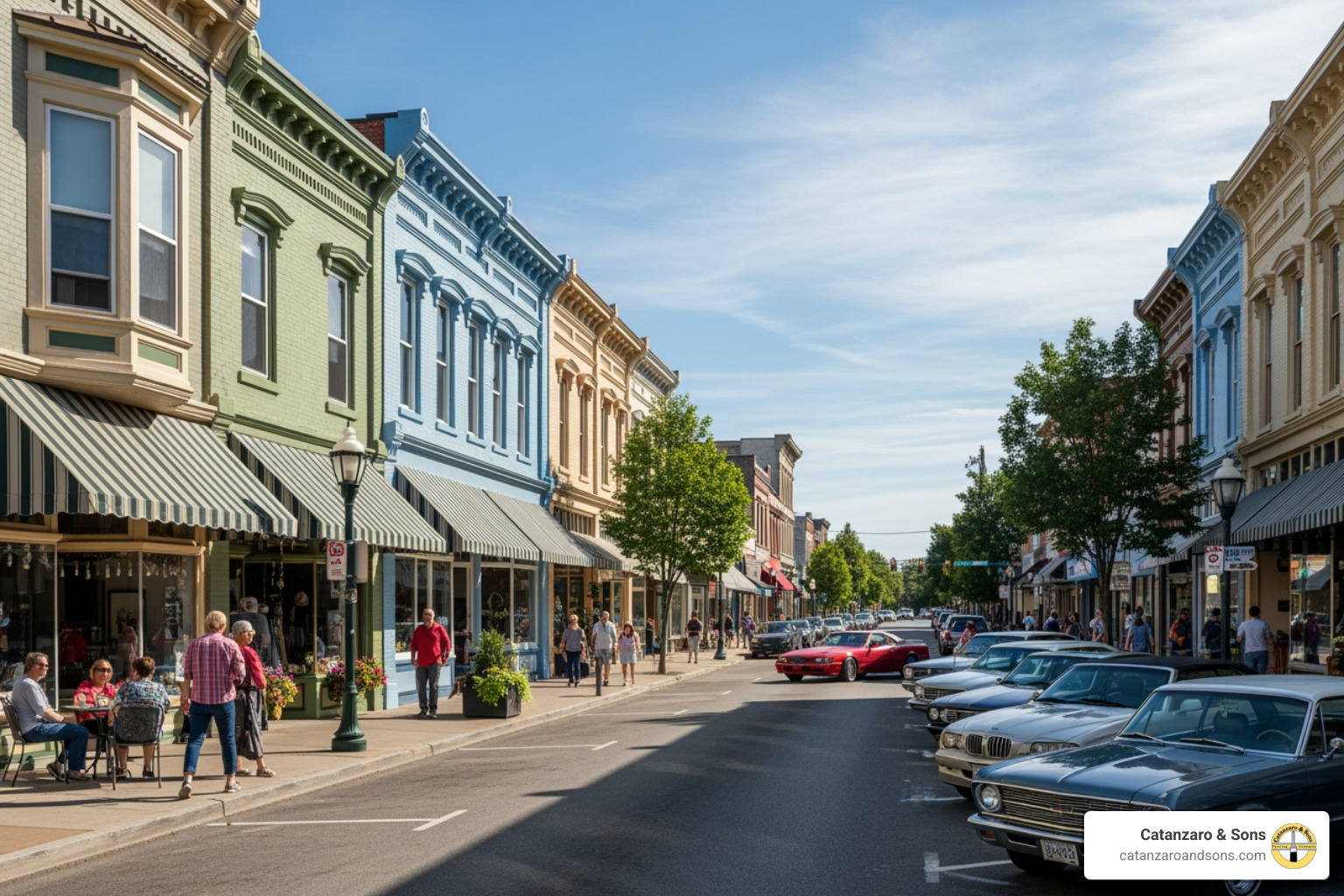
Restoring old buildings is about so much more than just fixing a façade. It’s a profound investment in our communities, our economy, and our future. We see this in the charming historic districts of Providence, Barrington, and Bristol, where every carefully preserved building adds to the unique character of our towns.
The Cultural and Community Benefits of Restoring Old Buildings
Historic buildings are silent storytellers. They connect us to generations past, reminding us of the people, events, and architectural styles that shaped Rhode Island. By preserving these structures, we foster a strong sense of local identity and pride. Imagine the feeling of walking down a street in the East Side of Providence, admiring the intricate details of homes that have stood for over a century. This isn’t just about aesthetics; it’s about safeguarding our shared heritage, creating cultural centers like galleries and theaters, and providing educational opportunities that bring history to life. It’s an ethical duty to preserve these architectural wonders and the narratives they hold for future generations.
Economic Revitalization
Far from being a financial burden, historic preservation is a proven engine for economic growth. Restored historic structures become magnets for activity, drawing in shops, galleries, and restaurants that create vibrant commercial centers. This encourages local businesses to grow, increases real estate values, and fosters entrepreneurship, creating jobs right here in our Rhode Island communities. Think of the historic waterfront areas in Narragansett or Warren, revitalized through careful restoration, now busy with new life.
Furthermore, rehabilitation projects may become eligible for grant programs and financial incentives offered by local governments or at the federal level by the National Park Service (NPS). While we are based in Rhode Island, it’s worth noting that similar programs often exist at state and local levels to encourage these valuable projects, helping to offset the initial investment.
Sustainability and Environmental Impact
In an era focused on sustainability, restoring old buildings is inherently an environmentally friendly choice. It’s the ultimate form of recycling. By reusing existing structures, we significantly lessen landfill waste and reduce the demand for new natural resources and energy-intensive new construction materials. This practice also conserves the “embodied energy” – all the energy that went into mining, manufacturing, and transporting the original building materials.
We also have a fantastic opportunity to integrate modern, energy-efficient upgrades into these historic envelopes. From improving insulation to incorporating efficient HVAC systems, we can make these beautiful old buildings perform like new, reducing their carbon footprint. For instance, combining careful exterior painting with modern insulation techniques can significantly boost a building’s thermal performance, as we detail in our Exterior Painting Services Complete Guide.
The Step-by-Step Process of Restoring Old Buildings
Starting on a historic building restoration project can feel daunting, but with a methodical approach and the right team, it’s an incredibly rewarding journey. We believe in transparent communication and meticulous planning, ensuring every step honors the building’s past while securing its future.
Phase 1: Research, Documentation, and Planning
Before any hammer swings, thorough investigation is paramount. This initial phase lays the groundwork for a successful project:
- Confirming Historic Status: First, we need to determine if your building is officially recognized as historic. This can be done by checking the National Register of Historic Places or local historic registers maintained by Rhode Island’s historical societies and municipalities.
- Gathering Documentation: We dig into the building’s past. This includes collecting historical records, original architectural drawings, old photographs, and any previous repair or alteration documents. These provide invaluable clues about the building’s original appearance, construction methods, and evolution.
- Assessing Structural Integrity: A comprehensive structural assessment by experienced professionals is non-negotiable. This involves inspecting the foundation, roof, and walls for any deterioration, water damage, or structural weaknesses. Older buildings, like those common in Cranston or South Kingstown, can hide issues like outdated plumbing, wiring, or even hazardous materials such as lead paint and asbestos, which need careful management.
- Creating a Detailed Project Plan and Budget: Based on our findings and your vision, we develop a meticulous plan. This includes a scope of work, material specifications, a realistic timeline, and a detailed budget that accounts for potential unforeseen issues – a common reality with historic properties.
Phase 2: Navigating Regulations and Assembling Your Team
Historic building projects operate under a unique set of rules designed to protect their character. This phase ensures compliance and brings together the right expertise.
- Understanding Local Regulations: Many Rhode Island towns, particularly those with rich histories like Barrington, Bristol, and East Greenwich, have local historic preservation ordinances. We work with you to understand these, as they often dictate what alterations are permissible and may require a Certificate of Appropriateness (CoA) before any work begins.
- Obtaining Necessary Permits: Beyond standard building permits, historic projects often require specialized approvals. We help steer this complex process, ensuring all permits are secured before construction starts.
- The Role of the National Historic Preservation Act (NHPA): Enacted nearly sixty years ago, the National Historic Preservation Act (NHPA) recognized the cultural, educational, aesthetic, and economic importance of restoring old buildings. It established the framework for historic preservation in the U.S., including the Secretary of the Interior’s Standards, which guide all responsible historic work.
- Hiring the Right Team: This is perhaps the most critical decision. Restoring old buildings requires a team with specialized skills and a deep respect for history. We recommend seeking architects, structural engineers, and contractors with a proven track record in historic preservation. Our team at Catanzaro & Sons embodies this expertise, with decades of experience in historic home restoration and a dedication to continuing education in our field. We believe in choosing experience over the cheapest bid, as a skilled and dedicated team is an investment in the longevity and authenticity of your historic property.
Phase 3: Execution and Modern Integration
With planning complete and permits in hand, the physical work begins. This phase blends traditional craftsmanship with modern solutions.
- Masonry and Stone Repair: Mending masonry and mortar, repointing, and careful stone repair are common tasks. We use techniques that maintain structural integrity and historical accuracy, often requiring materials that match the original in composition, color, and texture.
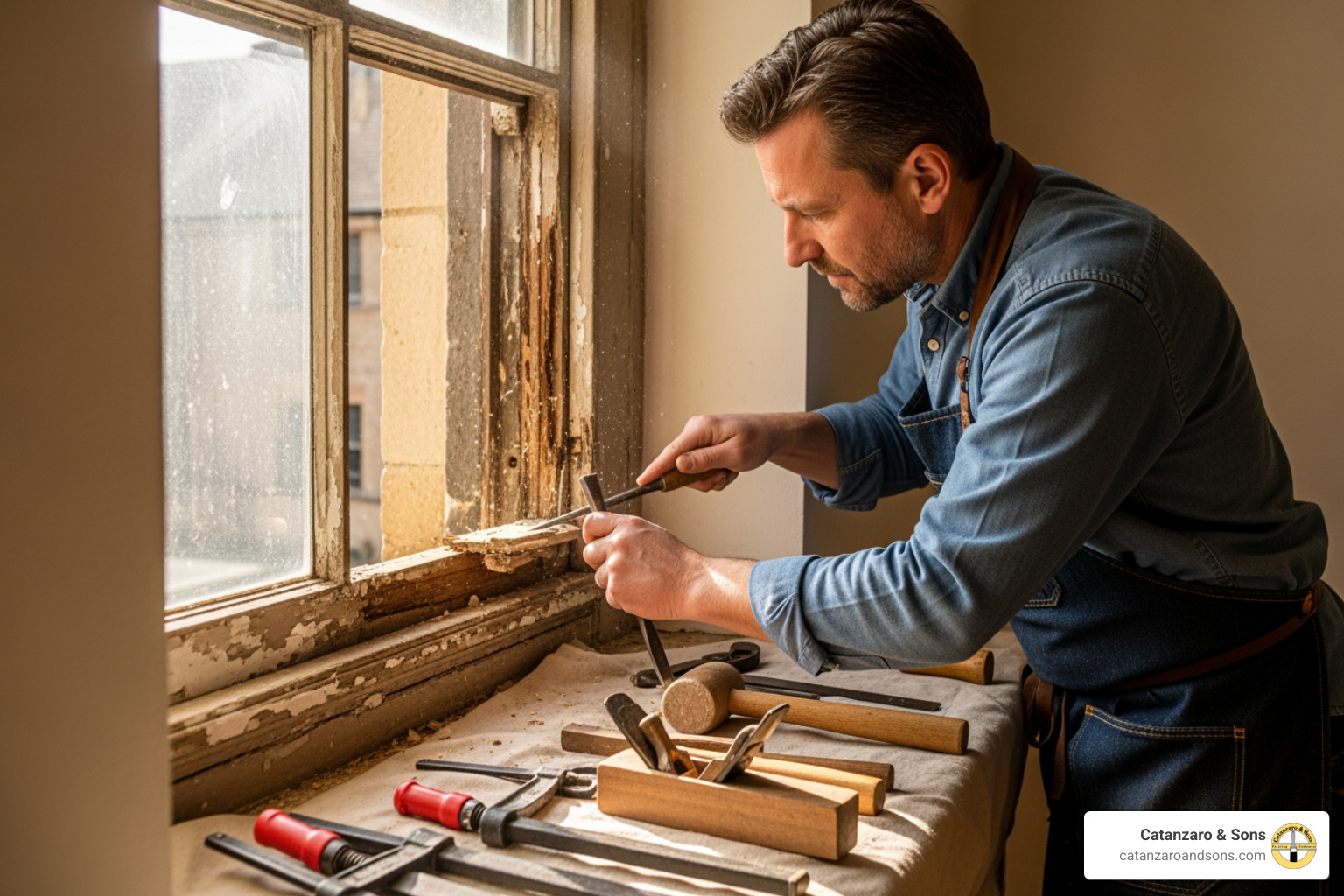
- Woodwork and Trim Carpentry: Original wood features, from intricate moldings to window frames, are often character-defining. Our Trim Carpentry Services focus on repairing and restoring these elements, ensuring they retain their historical authenticity.
- Historically Accurate Painting: Paint is not just color; it’s protection. We use historically appropriate paints and finishes, applying them with the care and precision that a historic building deserves.
- Integrating Modern Systems Discreetly: Modern life demands modern comforts. We skillfully integrate new HVAC, electrical, and plumbing systems, ensuring they are concealed or designed to minimize impact on historic fabric. This might involve using advanced techniques like 3D scanning and Building Information Modeling (BIM) for detailed planning and execution, allowing us to implement invisible structural reinforcements using modern materials like carbon fiber without altering the exterior design.
- Accessibility Solutions: Where necessary, we incorporate discreet accessibility solutions, such as ramps or lifts, designed to blend seamlessly with the building’s architecture without compromising its original aesthetics.
Key Challenges in Restoring Old Buildings
While rewarding, historic restoration comes with its unique set of problems:
- Unforeseen Structural Damage: Old buildings often reveal hidden problems once work begins, from water damage to weakened structural members. Our thorough assessment aims to minimize these surprises, but flexibility in budget and timeline is always wise.
- Hazardous Materials: Buildings constructed before 1978 may contain lead-based paint, and those built before the 1980s might have asbestos. Safe and proper abatement of these materials is crucial for occupant health and regulatory compliance.
- Sourcing Historically Accurate Materials: Finding materials that match the original in design, color, texture, and composition can be challenging and may require custom fabrication, which can be expensive and have longer lead times.
- Finding Artisans for Traditional Craftsmanship: The specialized skills required for historic masonry, intricate plasterwork, or custom carpentry are becoming rarer. We pride ourselves on having skilled craftspeople who understand these traditional techniques.
- Balancing Modern Building Codes with Historic Integrity: Current building codes prioritize safety and accessibility. We work diligently to achieve compliance while preserving the historic character, often requiring creative solutions and close collaboration with local officials.
The Guiding Principles: Standards and Best Practices
To ensure that restoring old buildings is done respectfully and effectively, we adhere to established guiding principles. These aren’t just suggestions; they form the bedrock of responsible preservation work.
The Secretary of the Interior’s Standards
The Secretary of the Interior’s Standards for the Treatment of Historic Properties provide the national framework for all historic preservation projects. For rehabilitation projects, which are the most common, there are ten core standards we follow:
- A property will be used as it was historically or be given a new use that requires minimal change to its distinctive materials, features, spaces, and spatial relationships.
- The historic character of a property will be retained and preserved. The removal of distinctive materials or alteration of features, spaces, and spatial relationships that characterize a property will be avoided.
- Each property will be recognized as a physical record of its time, place, and use. Changes that create a false sense of historical development, such as adding conjectural features or elements from other historic properties, will not be undertaken.
- Changes to a property that have acquired historic significance in their own right will be retained and preserved.
- Distinctive materials, features, finishes, and construction techniques or examples of craftsmanship that characterize a property will be preserved.
- Deteriorated historic features will be repaired rather than replaced. Where the severity of deterioration requires replacement of a distinctive feature, the new feature will match the old in design, color, texture, and, where possible, materials.
- Chemical or physical treatments, such as sandblasting, that cause damage to historic materials will not be used. The surface cleaning of structures, if appropriate, will be undertaken using the gentlest means possible.
- Archaeological resources will be protected and preserved in place. If such resources must be disturbed, mitigation measures will be undertaken.
- New additions, exterior alterations, or related new construction will not destroy historic materials, features, and spatial relationships that characterize the property. The new work will be differentiated from the old and will be compatible with the historic massing, size, scale, and architectural features to protect the historic integrity of the property and its environment.
- New additions and adjacent or related new construction will be undertaken in such a manner that, if removed in the future, the essential form and integrity of the historic property and its environment would be unimpaired.
These standards are regulatory for projects seeking federal tax credits, as outlined in (36 CFR Part 67), making their diligent application critical for both preservation and potential financial benefits. They serve as our compass, ensuring we strike the delicate balance between heritage preservation and modern use.
Choosing a Qualified Restoration Team
The success of your historic building project hinges on the expertise of the team you assemble. When we choose to work with a client, or when you’re looking for a partner, we recommend considering the following:
- Portfolio of Historic Projects: Look for a contractor with a strong portfolio showcasing successful historic projects, particularly those in Rhode Island. This demonstrates a deep understanding of the unique challenges and requirements.
- Experience with Local Regulations: A qualified team will be well-versed in Rhode Island’s specific historic preservation ordinances and permitting processes in areas like Johnston or Narragansett.
- Skilled Craftspeople: Restoring old buildings demands specialized skills. Ensure the team includes experienced craftspeople in areas like masonry, plasterwork, and especially carpentry and painting – the very heart of what we do at Catanzaro & Sons. Our dedication to each customer’s complete satisfaction, along with continuing education in our field, means our team is always at the forefront of preservation techniques.
- Specialized Training and Certifications: Ask about any specialized training or certifications in historic preservation. This indicates a commitment to best practices.
- A Team That Respects History: Beyond technical skills, a true historic restoration team possesses a genuine passion for and respect for the building’s history and character. We believe this local, family-owned vibe, built on trust and honesty, is what sets us apart.
Frequently Asked Questions about Historic Building Restoration
We often hear similar questions from property owners considering restoring old buildings. Here are some common inquiries:
How much does it cost to restore an old building?
This is a key question, and the answer, like the buildings themselves, is complex. Costs vary widely based on the building’s size, its current condition, the level of restoration desired (preservation, rehabilitation, or restoration), and the extent of unforeseen issues. While rehabilitation often costs less than new construction, historic renovations can be cost-intensive due to the unique challenges of working with older structures and sourcing specialized materials. However, as mentioned, there are often grant programs and financial incentives that can help offset these costs, making the investment more feasible. A detailed initial assessment and a contingency budget are always recommended.
Can I make a historic building energy-efficient?
Absolutely! Making a historic building energy-efficient is not only possible but often a crucial part of its long-term viability. The key is to do so sensitively, without damaging character-defining features. This might involve:
- Repairing original windows and adding discreet storm windows, rather than replacing them.
- Adding insulation in attics, basements, and suitable wall cavities.
- Upgrading HVAC and electrical systems to modern, high-efficiency models, carefully integrating them to minimize visual impact.
- Improving weatherstripping and caulking to reduce drafts.
Good preservation practice is often synonymous with sustainability, as we aim to retain and reuse as much of the existing structure as possible.
How long does a historic restoration project take?
Historic restoration projects typically require longer timelines than standard renovations. This is due to several factors:
- Extensive Research and Documentation: The initial planning phase is often more involved.
- Complex Permitting Processes: Navigating local historic district commissions and obtaining necessary approvals can take time.
- Specialized Materials and Techniques: Sourcing historically accurate materials or requiring custom fabrication can extend lead times.
- Unforeseen Findies: Old buildings often hold surprises, which can add unexpected time to the schedule.
Patience and detailed planning are essential to manage expectations and ensure a successful outcome.
Conclusion: Giving New Life to Rhode Island’s Treasures
Restoring old buildings is more than just a construction project; it’s an act of stewardship, an investment in our shared heritage, and a commitment to the future of our communities across Rhode Island. From the busy streets of Cranston to the serene coastlines of Narragansett, every historic structure we preserve adds a layer of depth and character that cannot be replicated.
It requires a unique blend of passion, expertise, and careful planning – a blend that respects the intricate details of the past while skillfully integrating the necessities of modern life. The result is not just a renovated space, but a unique property that tells a story, a testament to enduring craftsmanship, ready to create new memories for generations to come.
For example, the Arcade in Providence, RI, stands as a testament to successful rehabilitation, changing a historic structure into a vibrant mixed-use space that retains its architectural significance. Such projects inspire us to continue our work.
For over 30 years, our family at Catanzaro & Sons has dedicated ourselves to providing the expert Carpentry Services in Rhode Island and painting skills needed to bring these historic structures back to life. Our commitment to quality, honesty, and continuous learning ensures that your historic property receives the meticulous care it deserves. We’re not just contractors; we’re custodians of Rhode Island’s architectural legacy, ready to help you open up the past and build a brighter future.


